South Africa, Zimbabwe, and Botswana
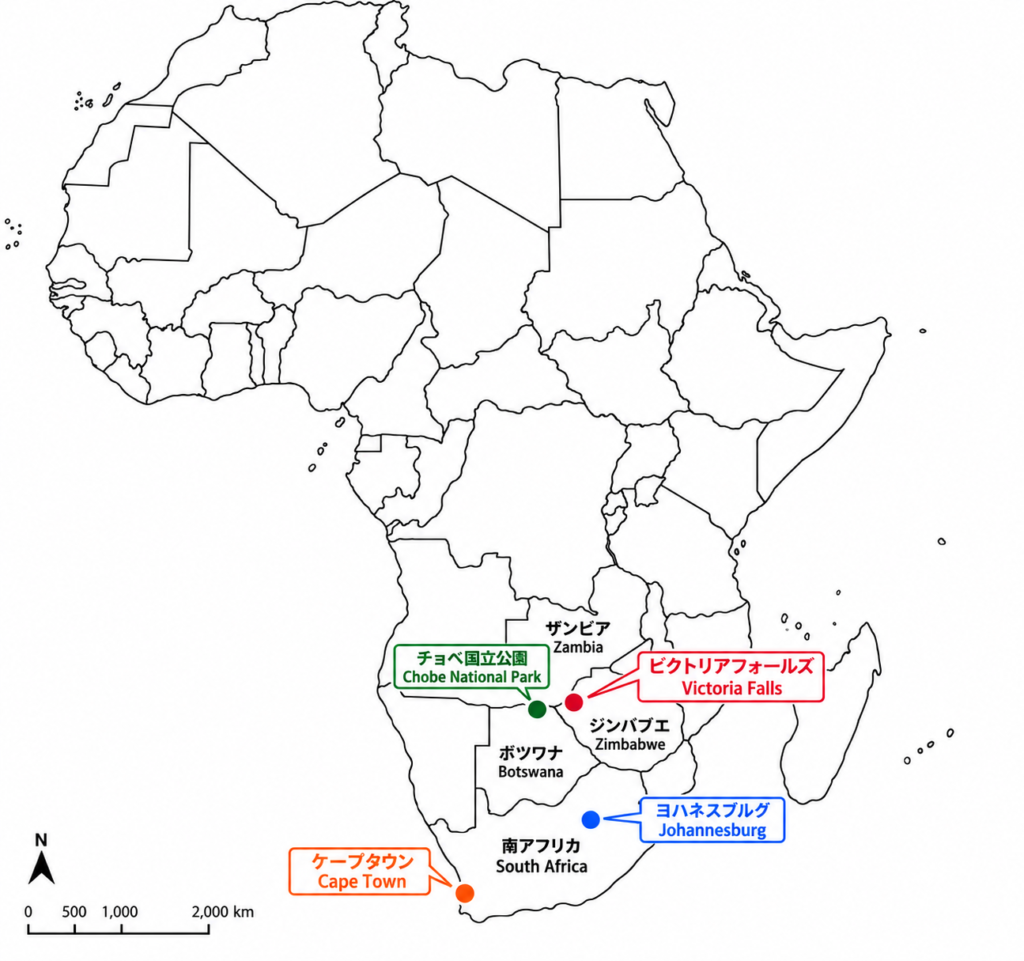
Basic Information About Each Country
Republic of South Africa (South Africa)
Capital: Pretoria (administrative), Cape Town (legislative), Bloemfontein (judicial)
Population: Approximately 63.1 million (2025 estimate)
Area: Approximately 1.22 million km² (about 3.2 times the size of Japan)
Currency: South African rand (ZAR)
The rand is the main currency. Credit cards are widely accepted in Cape Town, but cash payments require South African rand.
Languages: 12 official languages, including English, Zulu, Xhosa, and Afrikaans
Time difference from Japan: 7 hours behind Japan
Republic of Zimbabwe (Zimbabwe)
Capital: Harare
Population: Approximately 17 million (2025 estimate)
Area: Approximately 391,000 km² (roughly the same size as Japan)
Currency: Zimbabwe Gold (ZiG / ZWG). Several currencies, including the US dollar, are also in circulation.
The US dollar is widely used. Since credit cards are not accepted everywhere, it is advisable to carry some cash in small denominations.
South African rand is also accepted in some places.
Languages: 16 official languages, including English, Shona, and Ndebele
Time difference from Japan: 7 hours behind Japan
Republic of Botswana (Botswana)
Capital: Gaborone
Population: Approximately 2.5 million (2025 estimate)
Area: Approximately 582,000 km² (about 1.5 times the size of Japan)
Currency: Botswana pula (BWP)
During our safari, we did not need to use cash or credit cards.
Some establishments may accept US dollars or South African rand, but it is advisable to check in advance.
Languages: English (official language) and Setswana (national language)
Time difference from Japan: 7 hours behind Japan
Itinerary
Days 1–2: Tokyo → (7 hours) → Singapore → (11 hours) → Johannesburg → (1.5 hours) → Cape Town (all flights)
Day 3: Cape Town → (1.5 hours) → Johannesburg → (1.5 hours) → Victoria Falls (all flights)
Day 4: Victoria Falls → (2 hours) → Chobe National Park → (2 hours) → Victoria Falls (all by road)
Days 5–6: Victoria Falls → (1.5 hours) → Johannesburg → (11 hours) → Singapore → (7 hours) → Tokyo (all flights)
Flight Routes and In-flight Meals
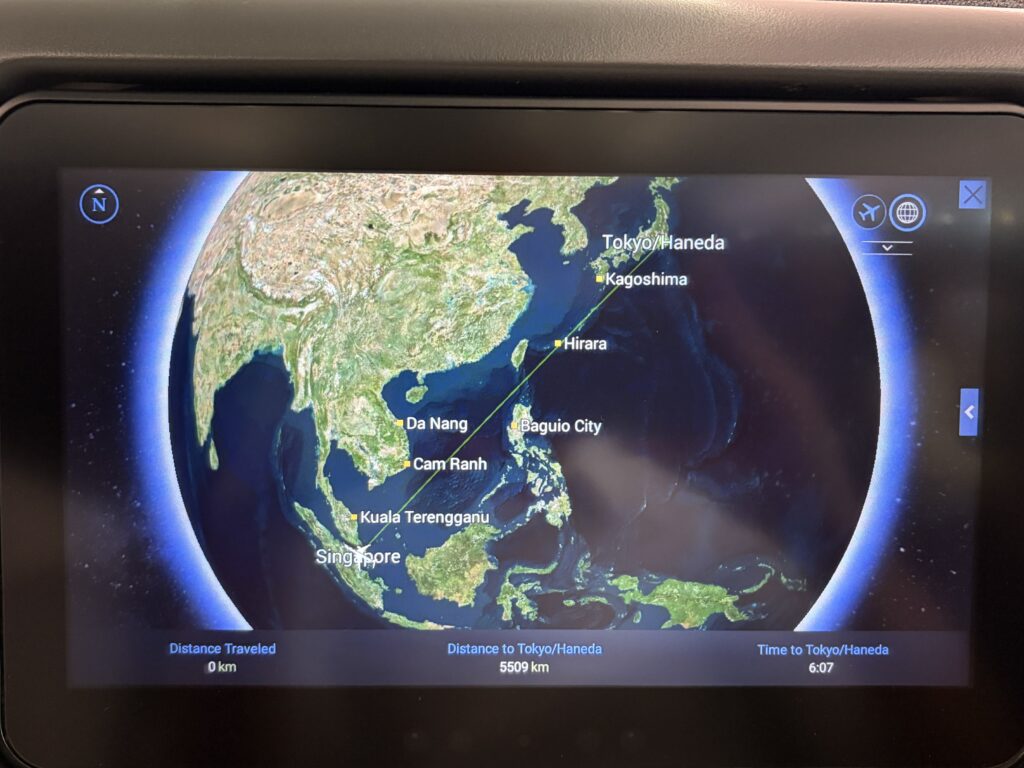
Tokyo → Singapore
Singapore Airlines
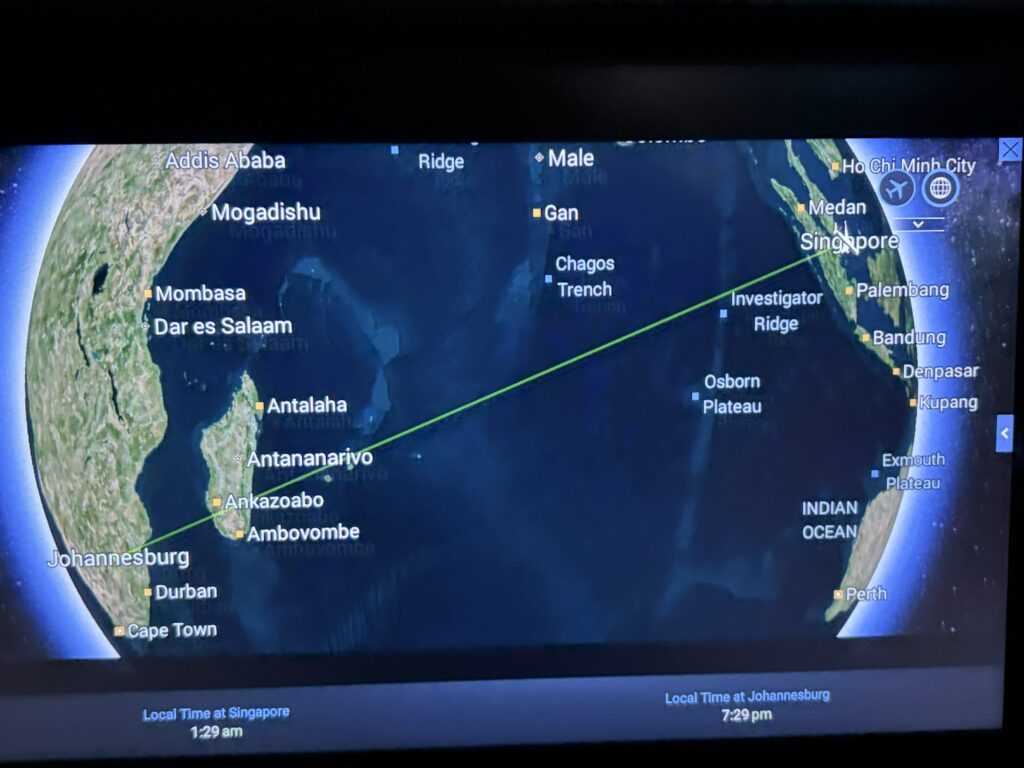
Singapore → Johannesburg → Cape Town
Singapore Airlines
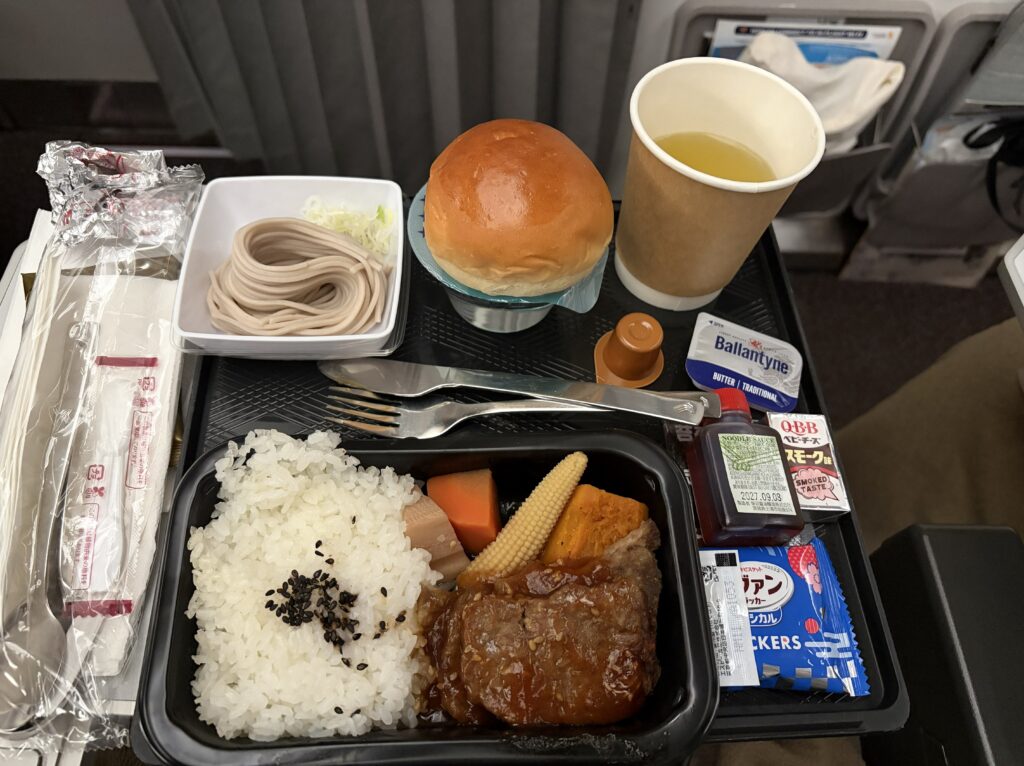
In-flight meal on the Tokyo–Singapore flight (only one meal was served))
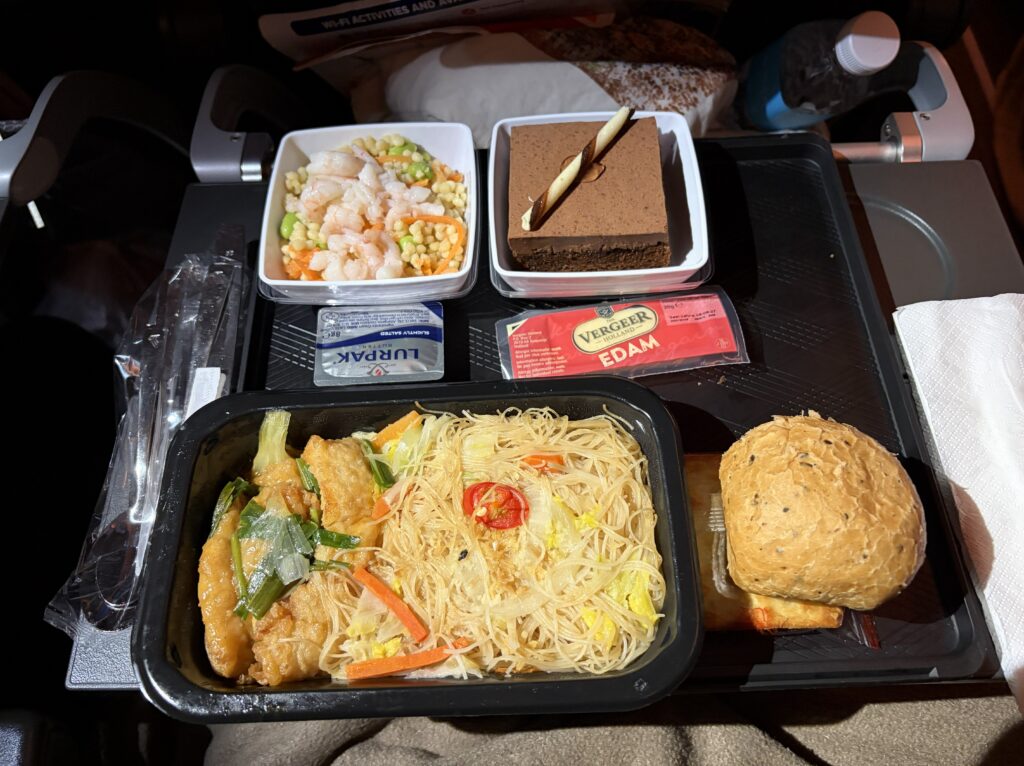
First in-flight meal on the Singapore–Johannesburg flight
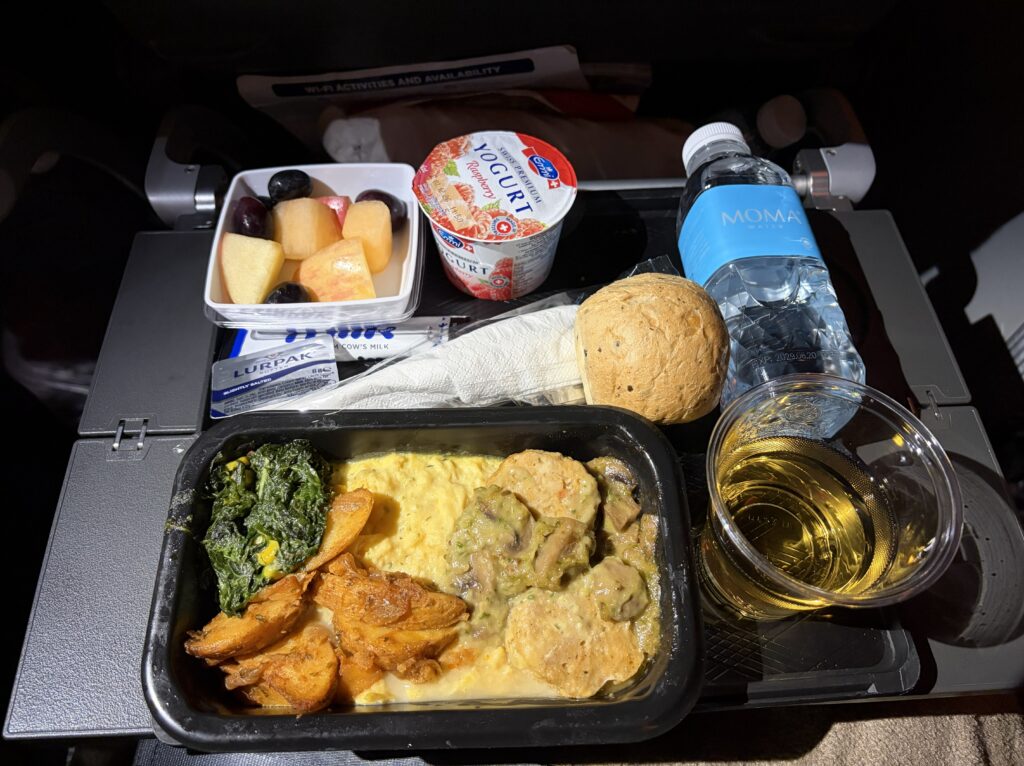
Second in-flight meal on the Singapore–Johannesburg flight
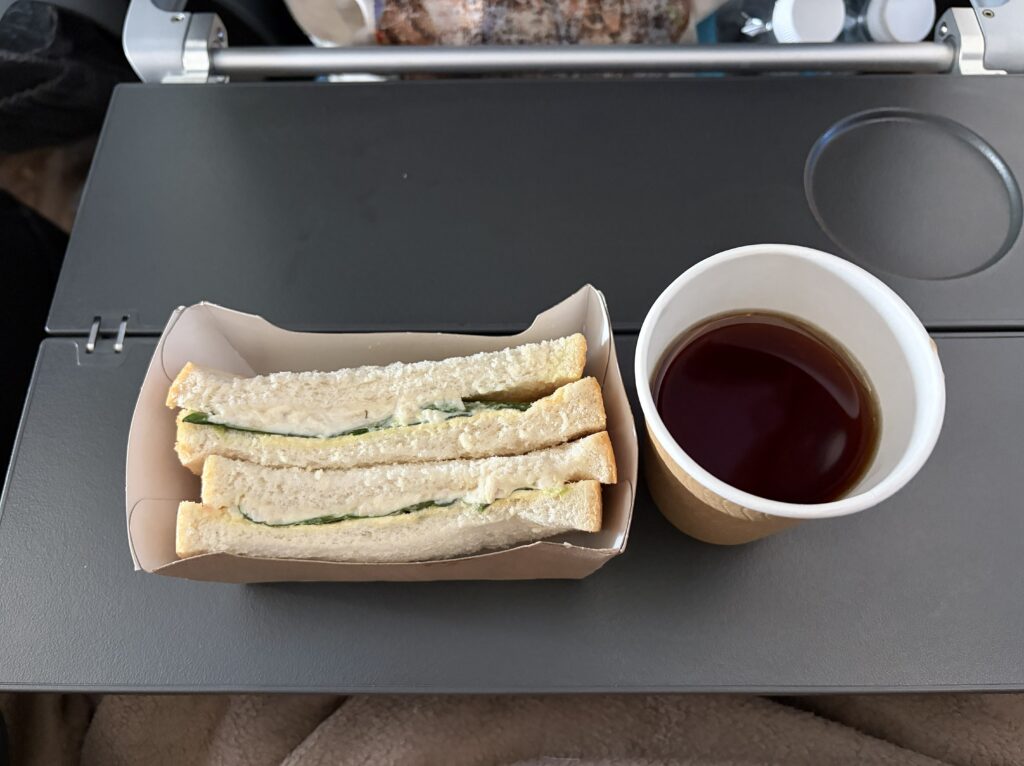
In-flight meal on the Johannesburg–Cape Town flight (Singapore Airlines)
Cape Town, South Africa
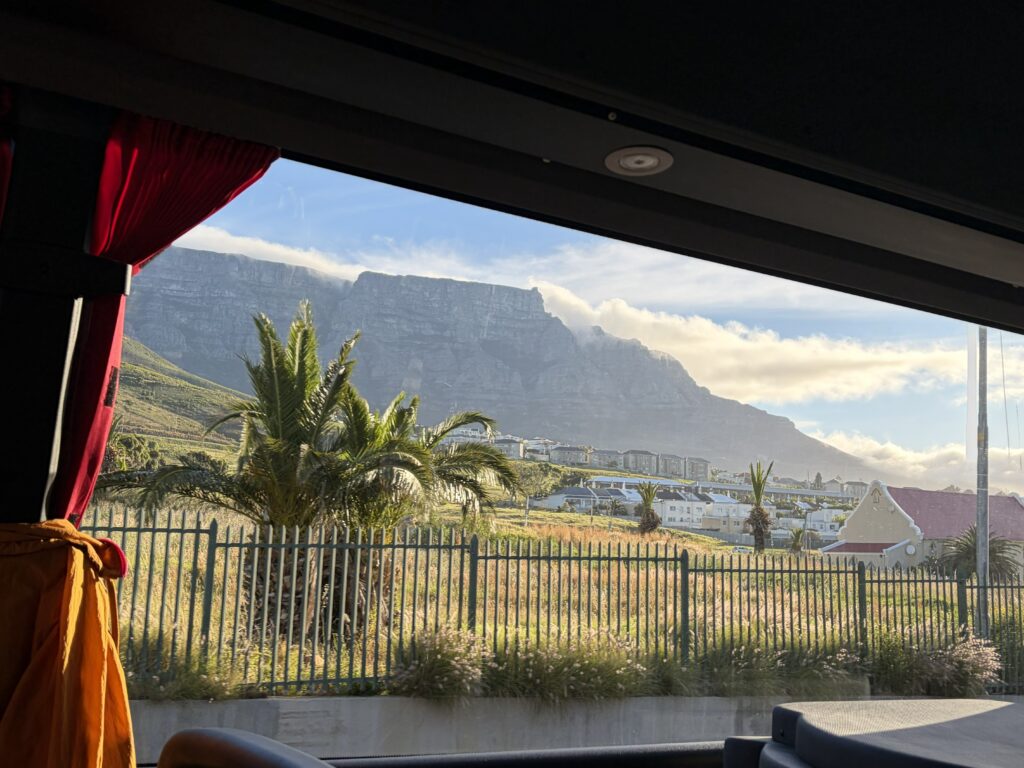
Table Mountain as seen from the bus during our journey
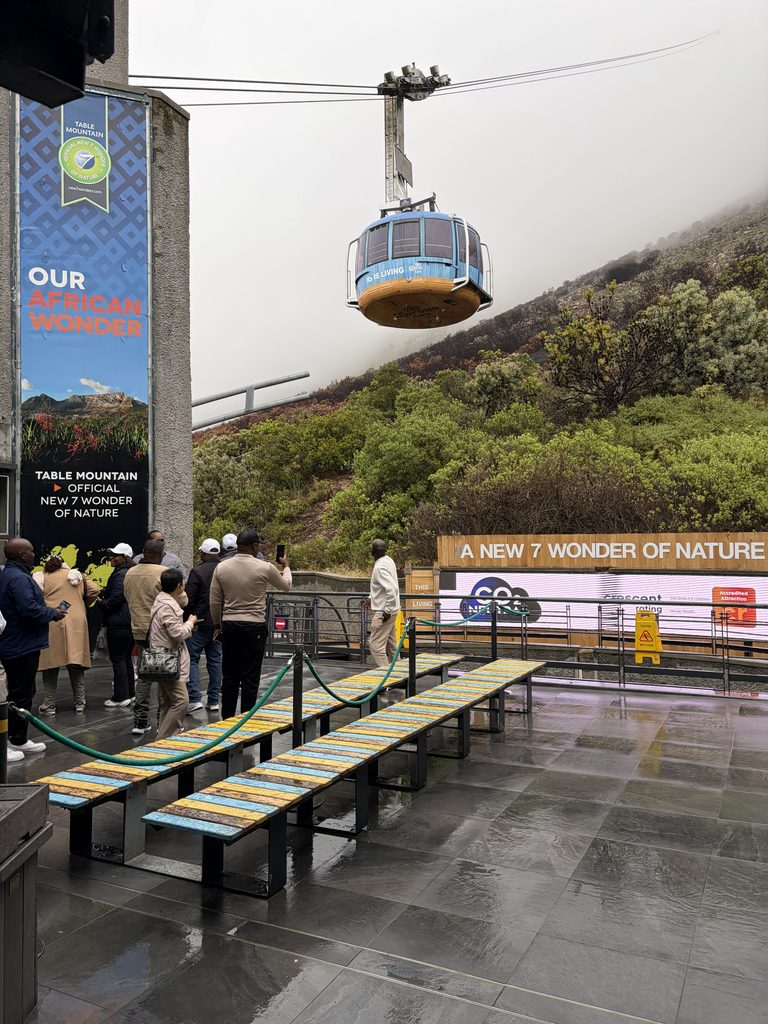
The cable car to Table Mountain. The floor of the gondola rotates, allowing passengers to enjoy 360-degree views during the ride.
Unfortunately, the mountain was shrouded in thick fog that day, and we couldn’t see anything.
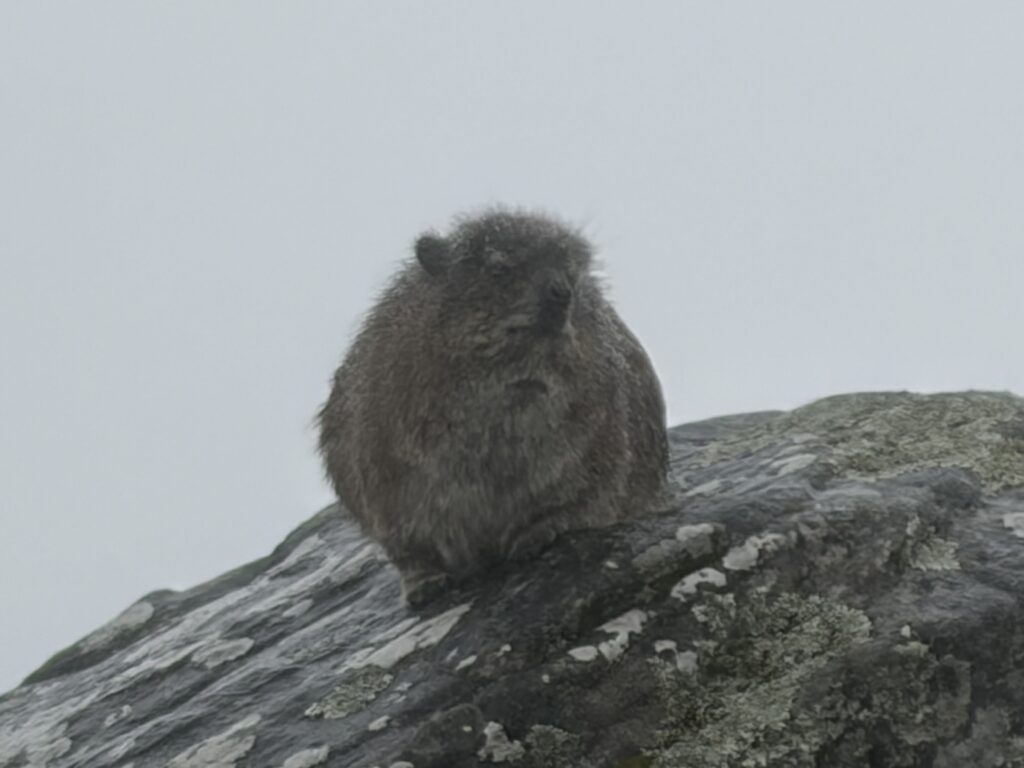
Hyrax
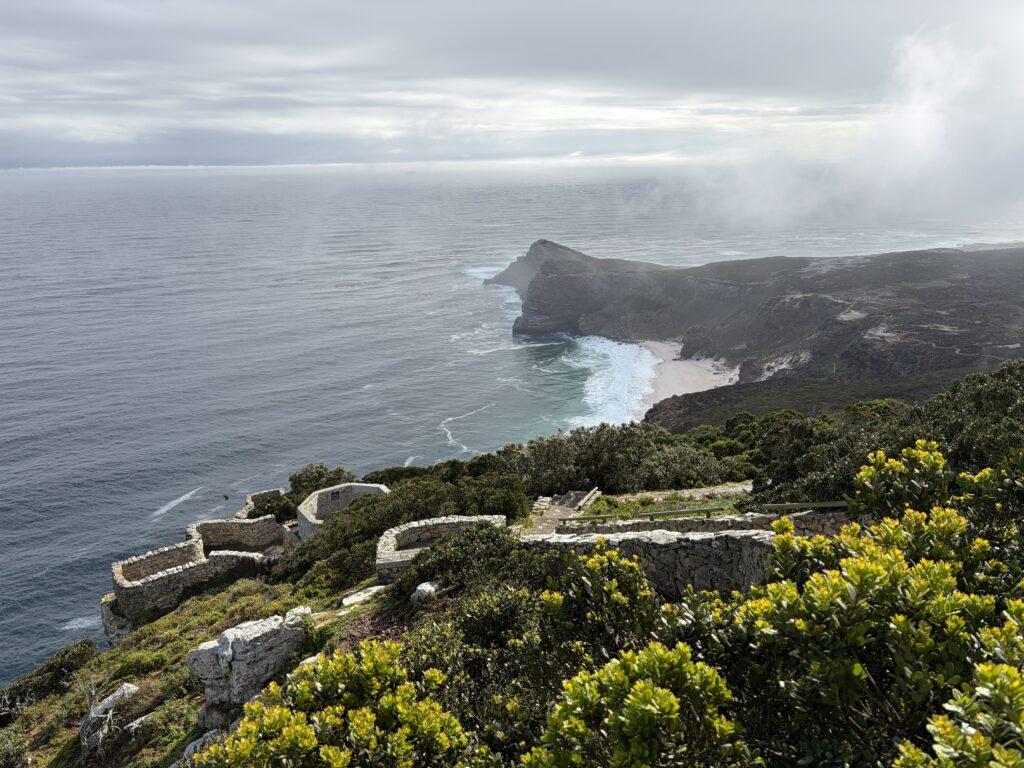
The Cape of Good Hope as seen from Cape Point
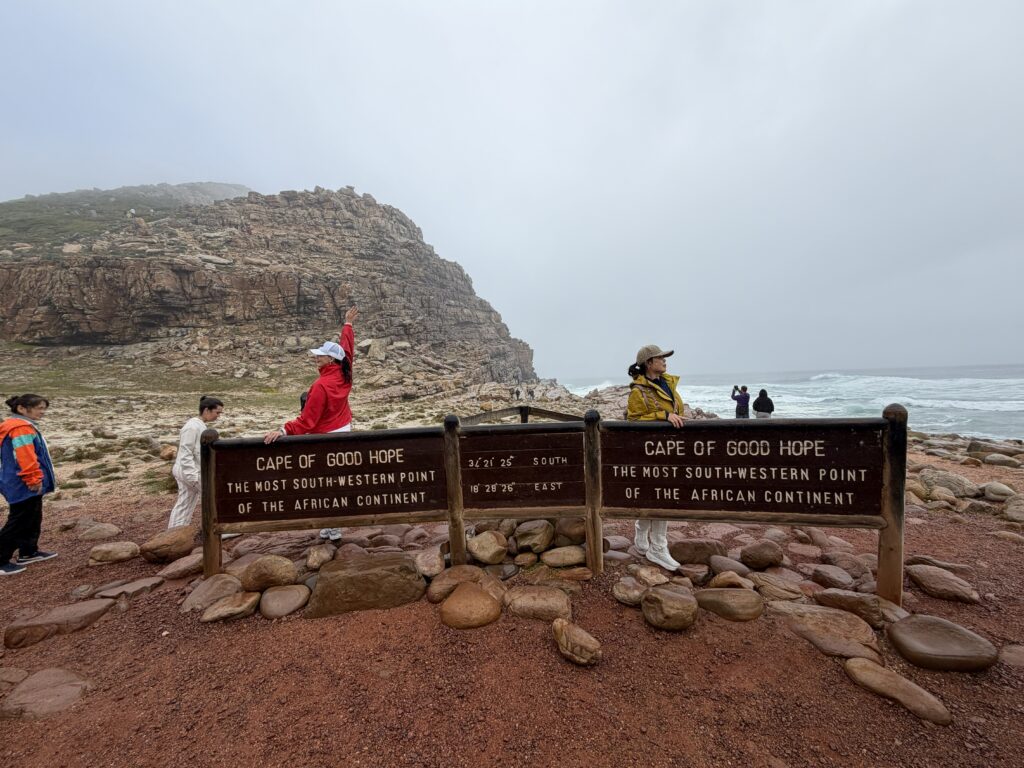
The Cape of Good Hope
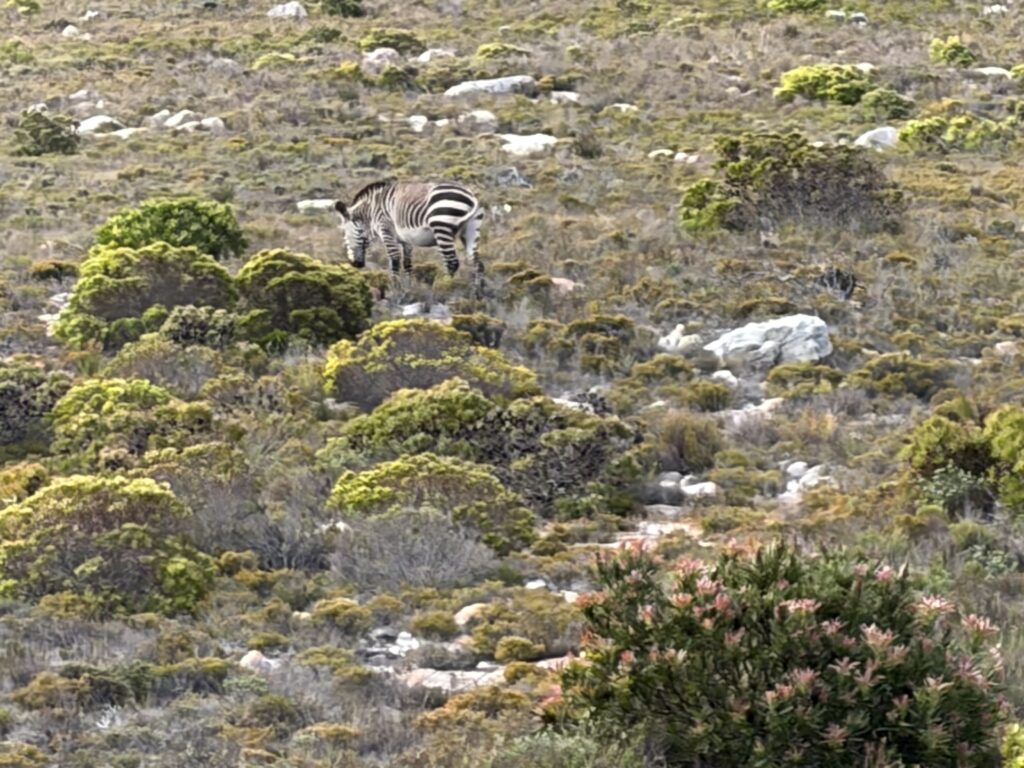
A zebra blending into the surrounding landscape, making it difficult to spot
Chobe National Park, Botswana
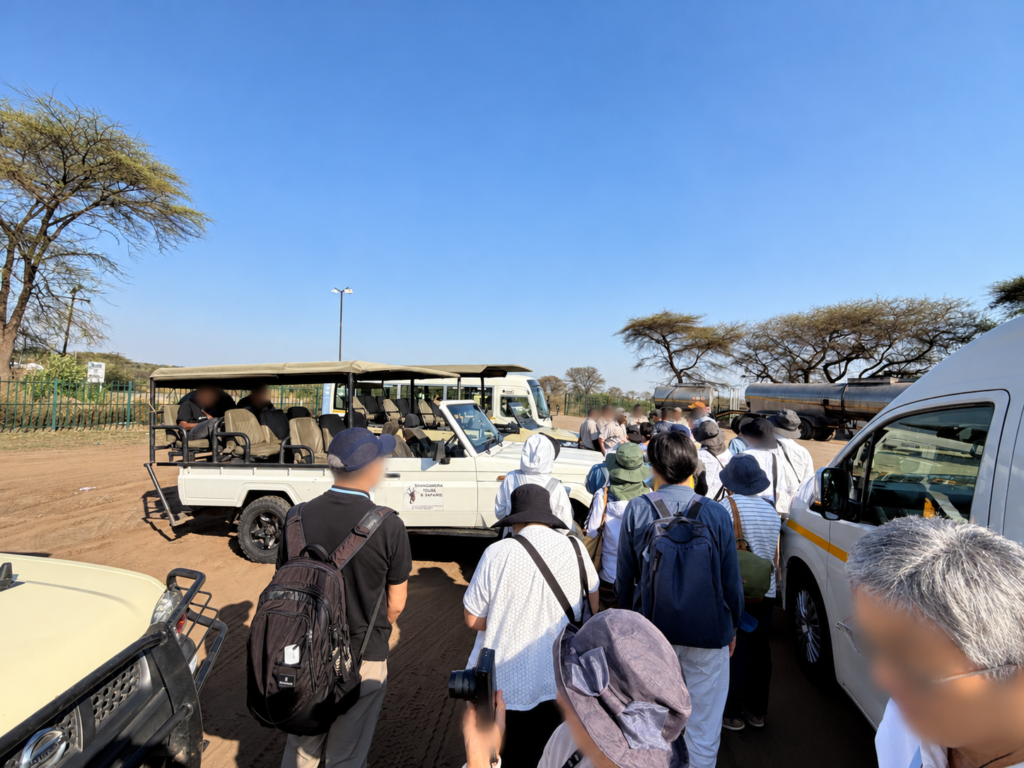
After crossing the border, we switched to a jeep for our safari.
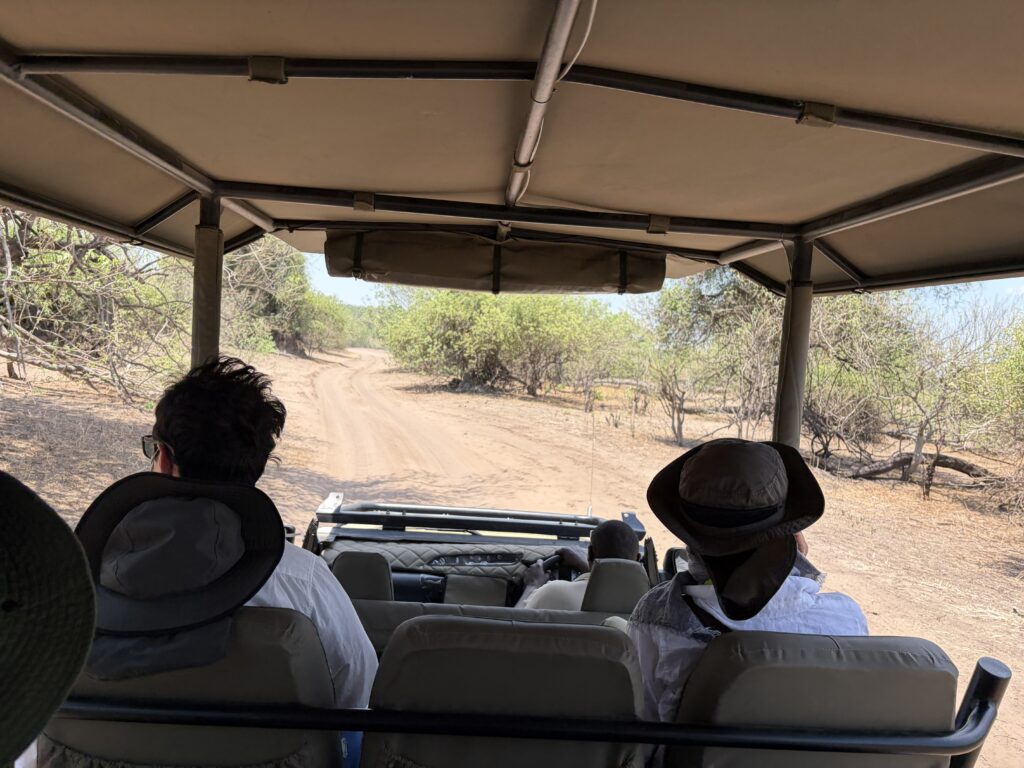
A game drive
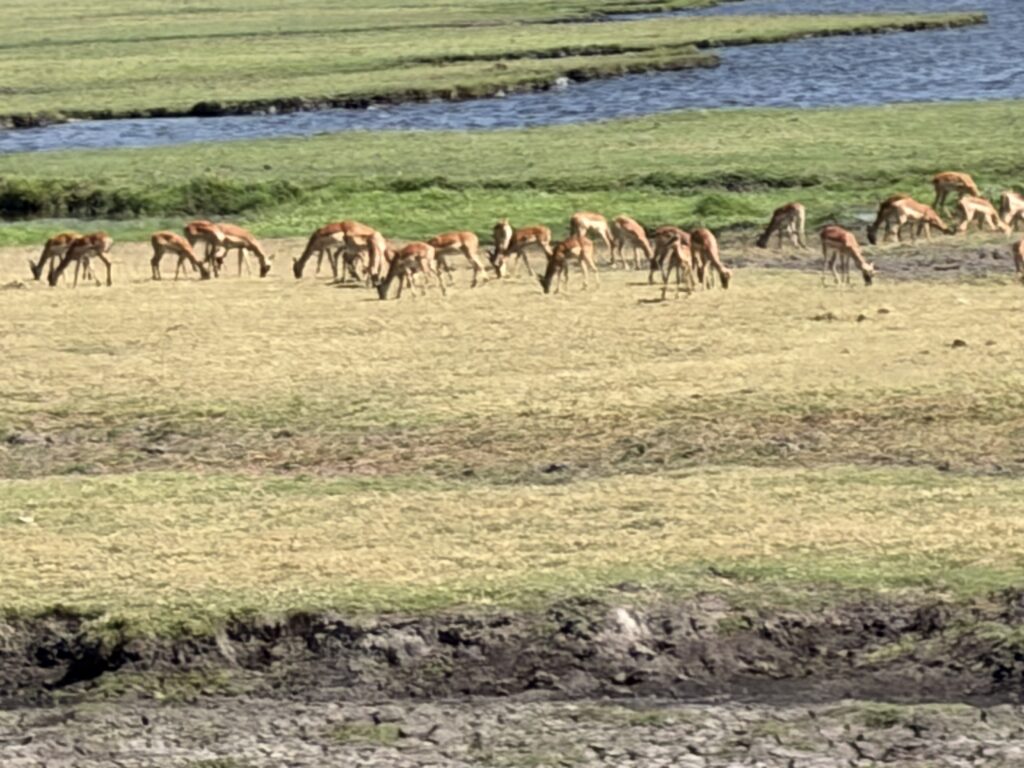
Impala
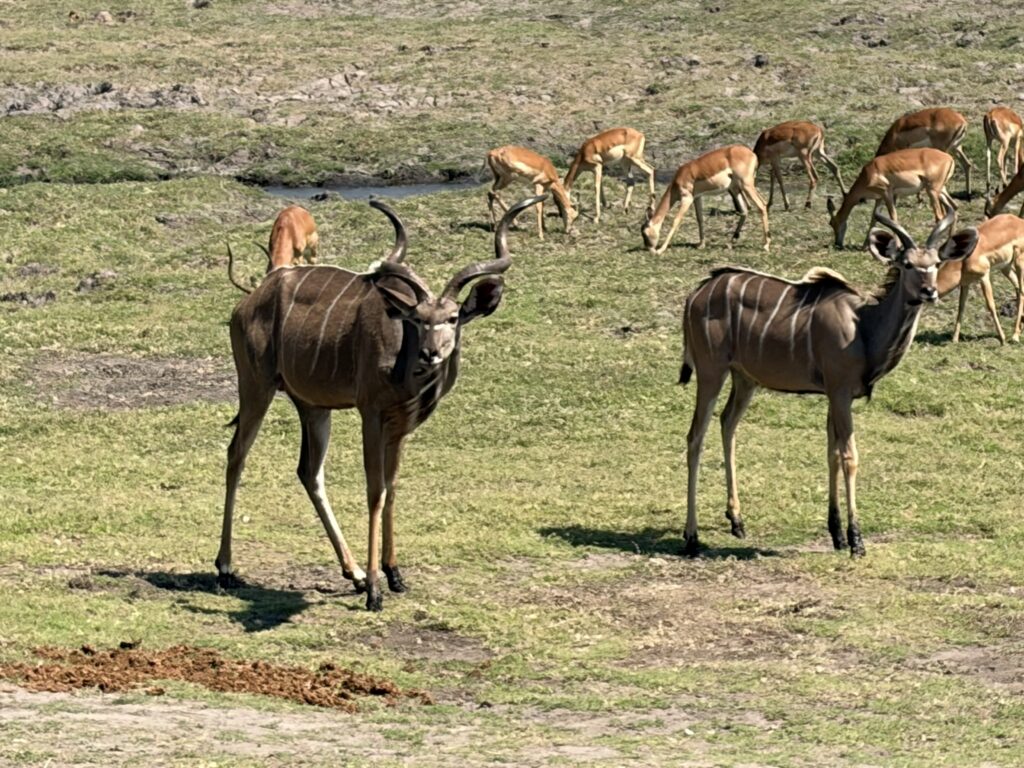
Kudu
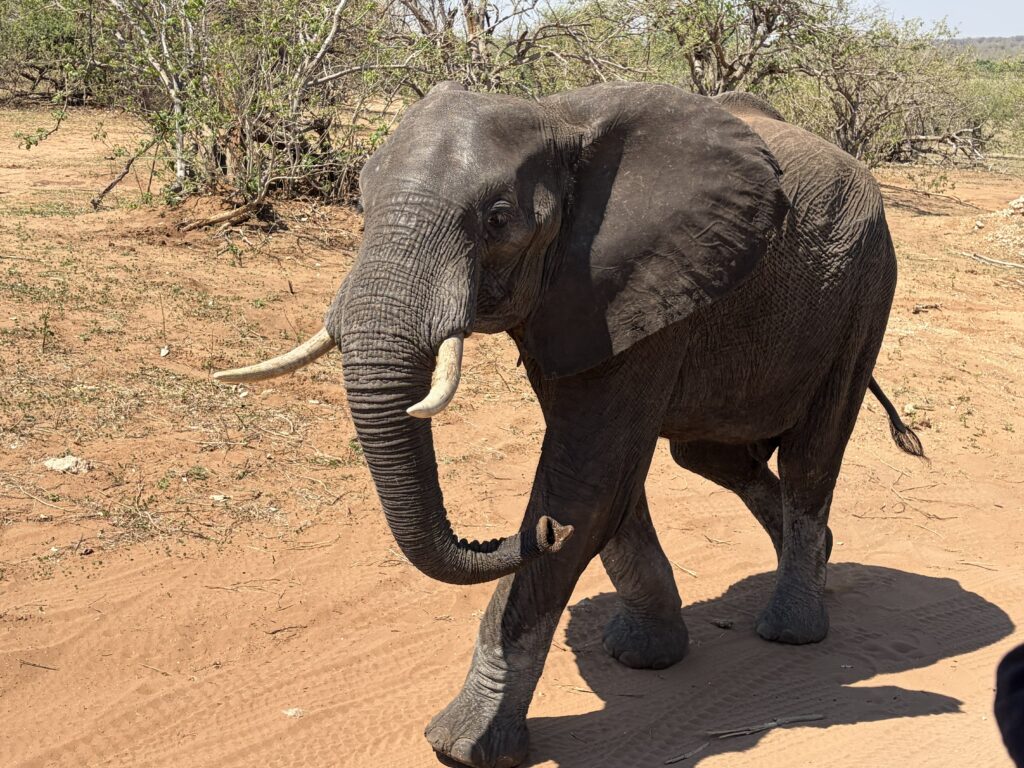
Elephant
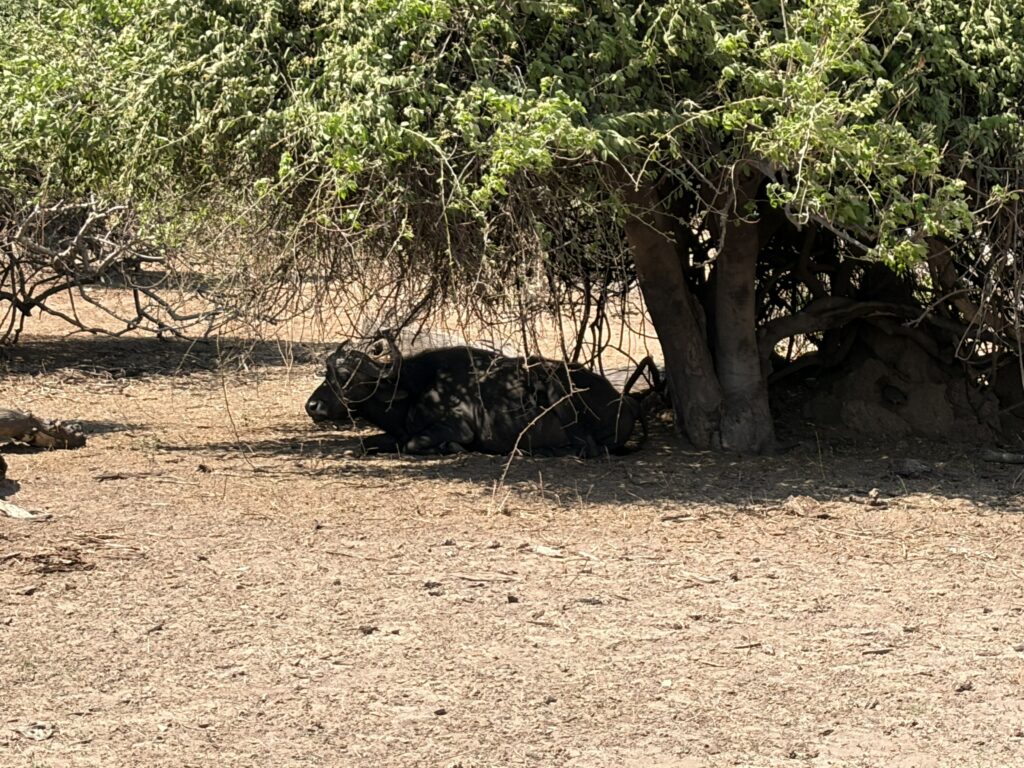
Buffalo
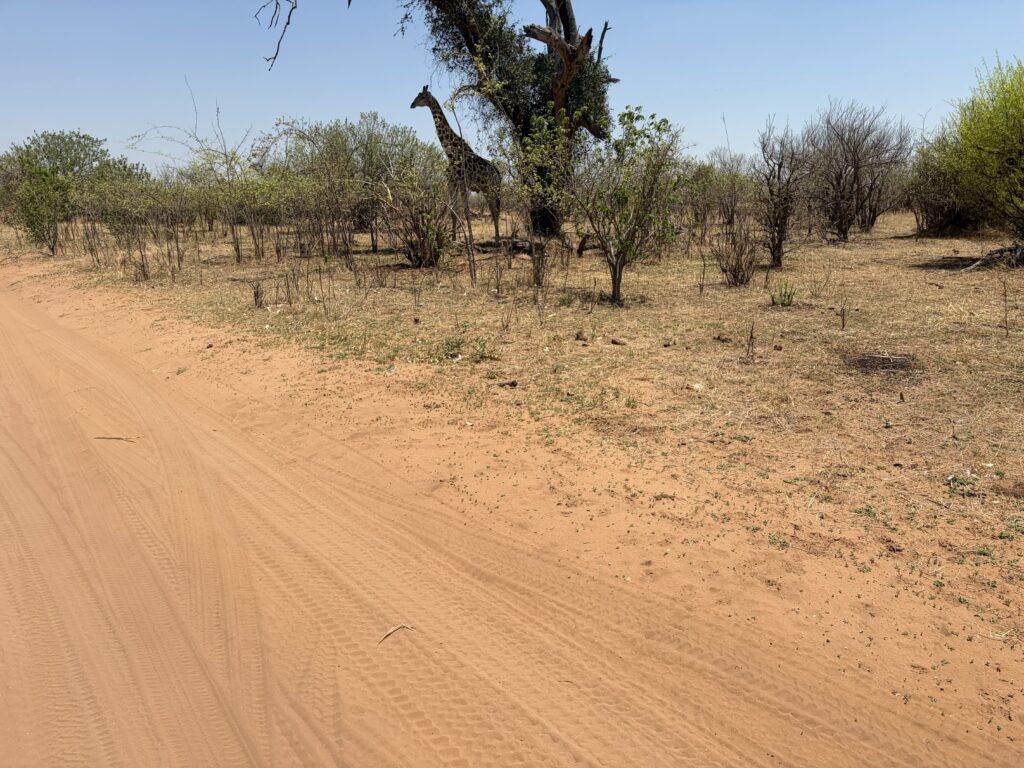
Giraffe
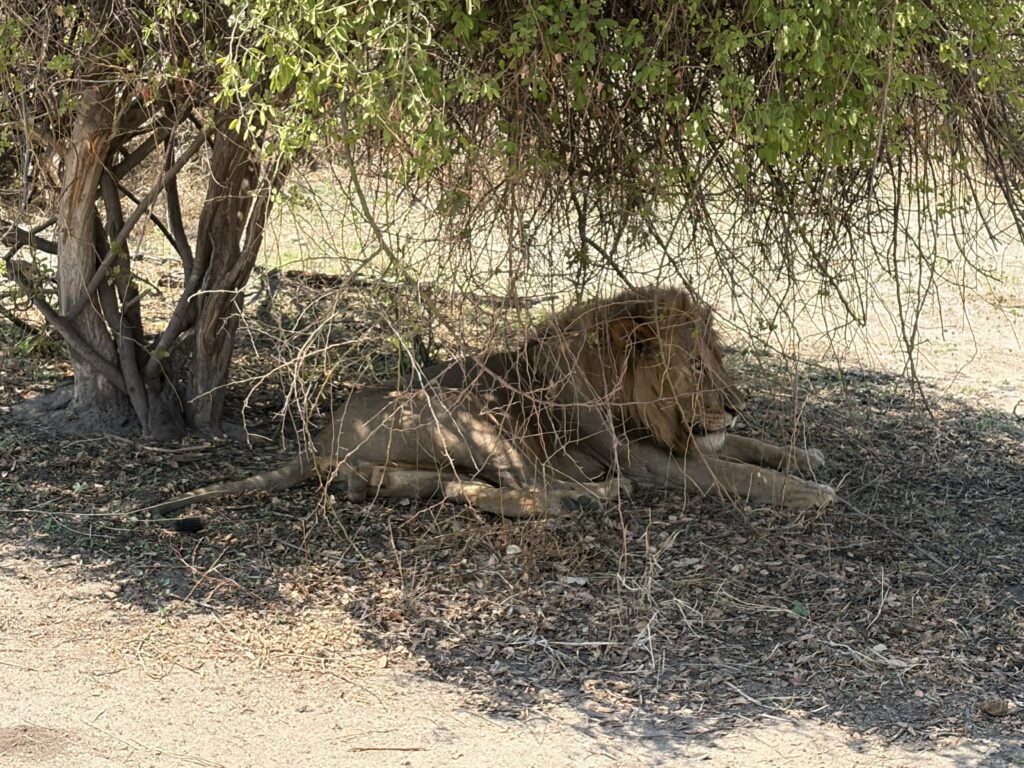
Lion
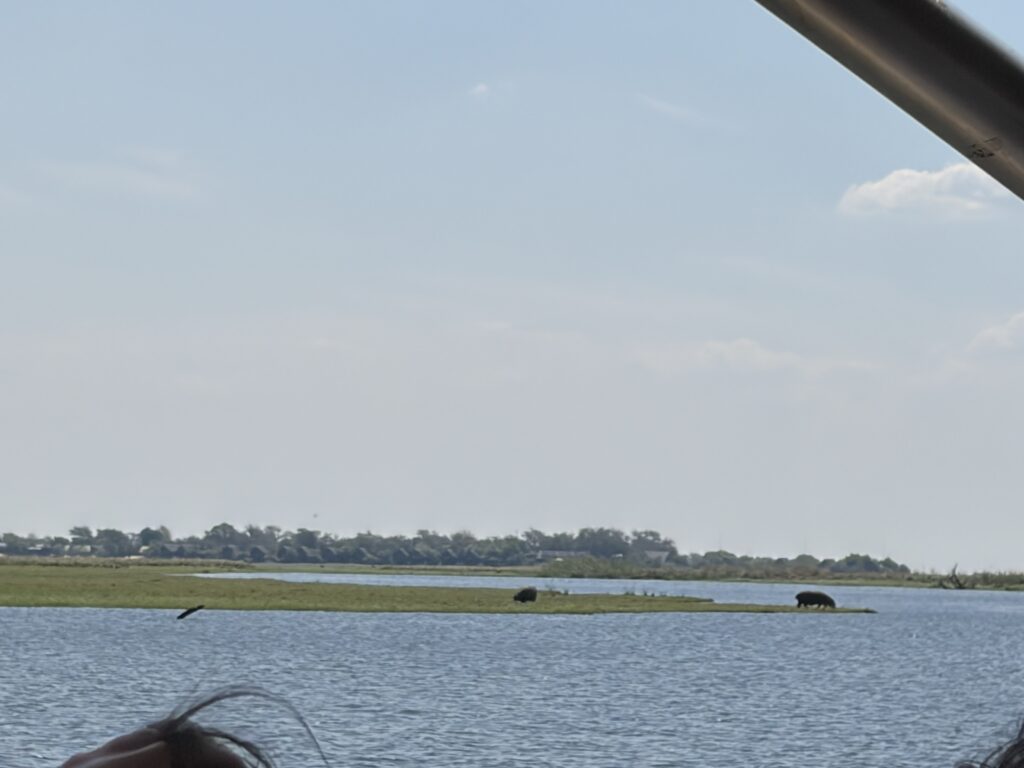
A boat safari. Hippos can be seen in the distance.
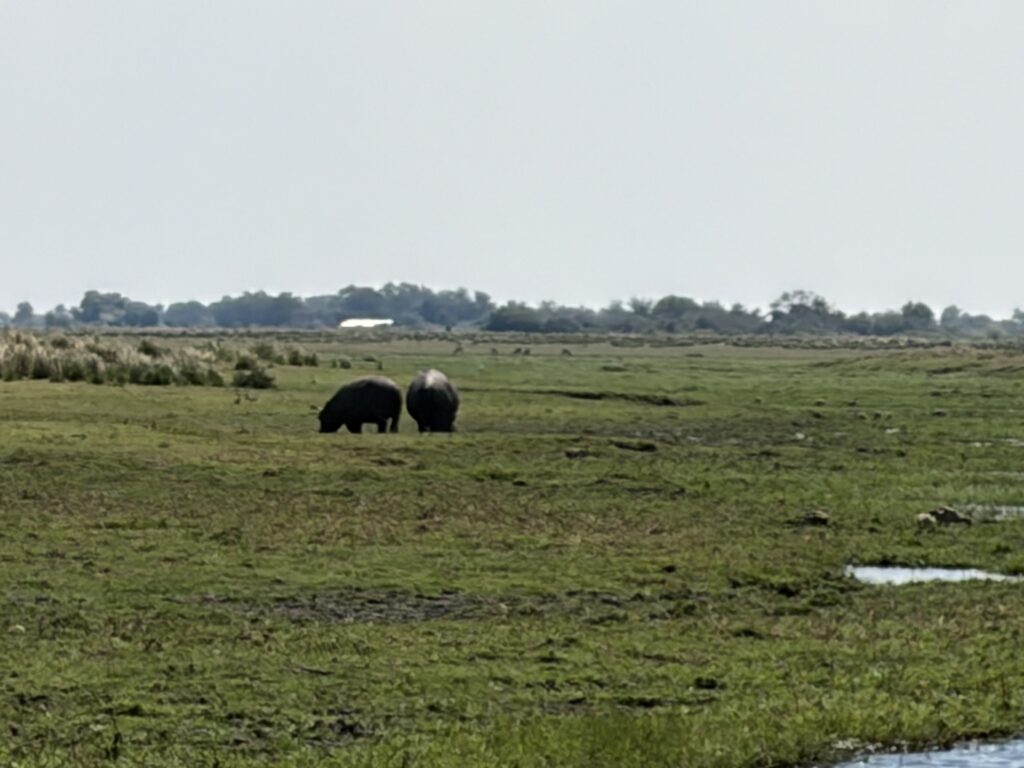
Hippopotamus
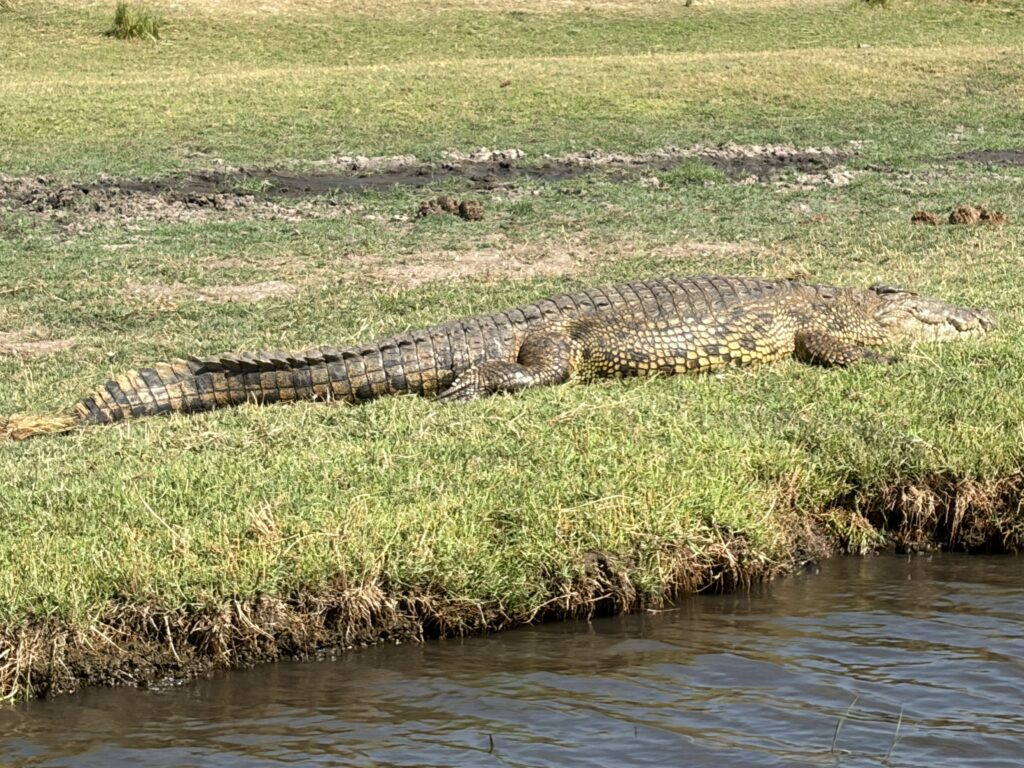
Crocodile
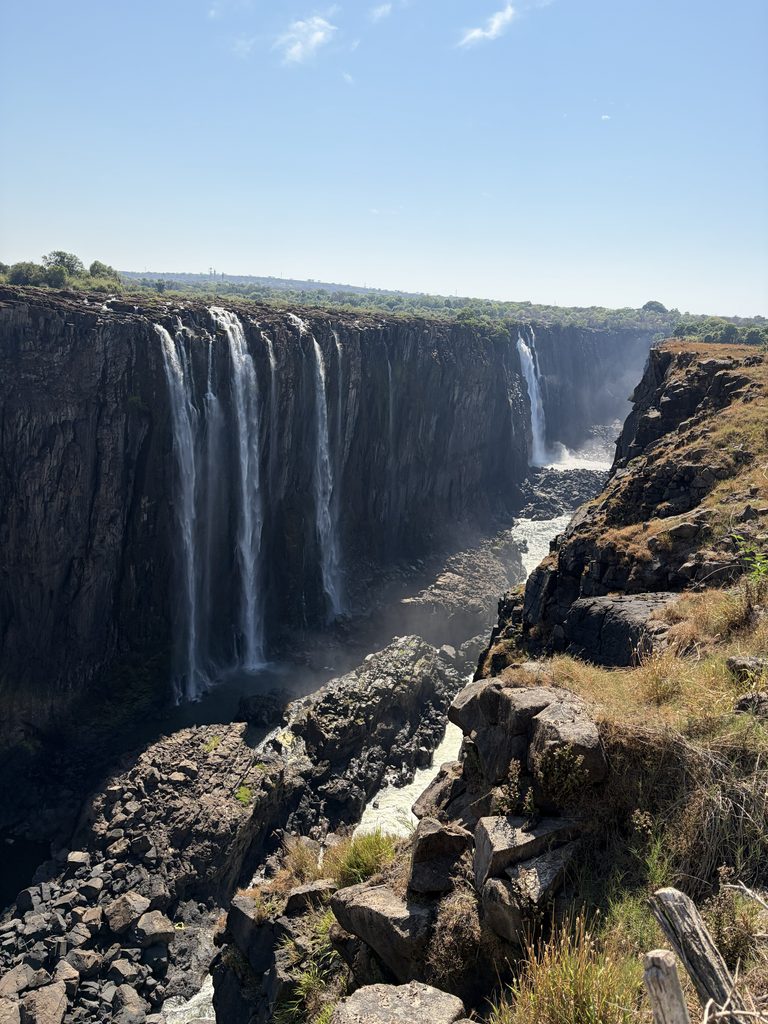
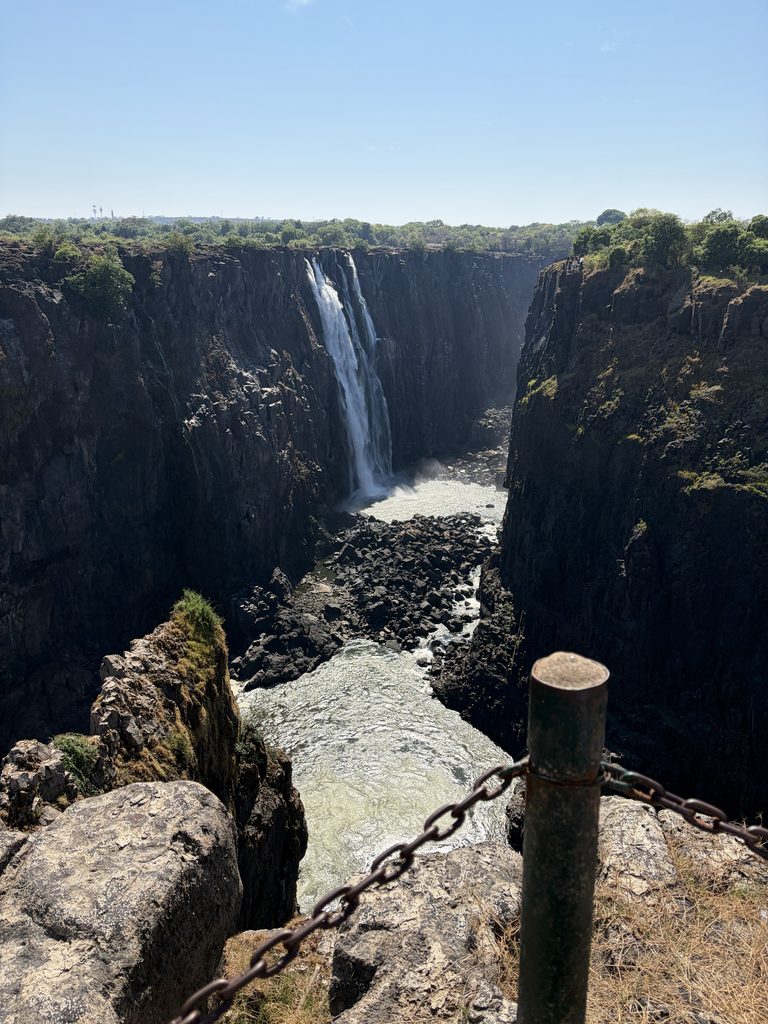
Victoria Falls, Zimbabwe
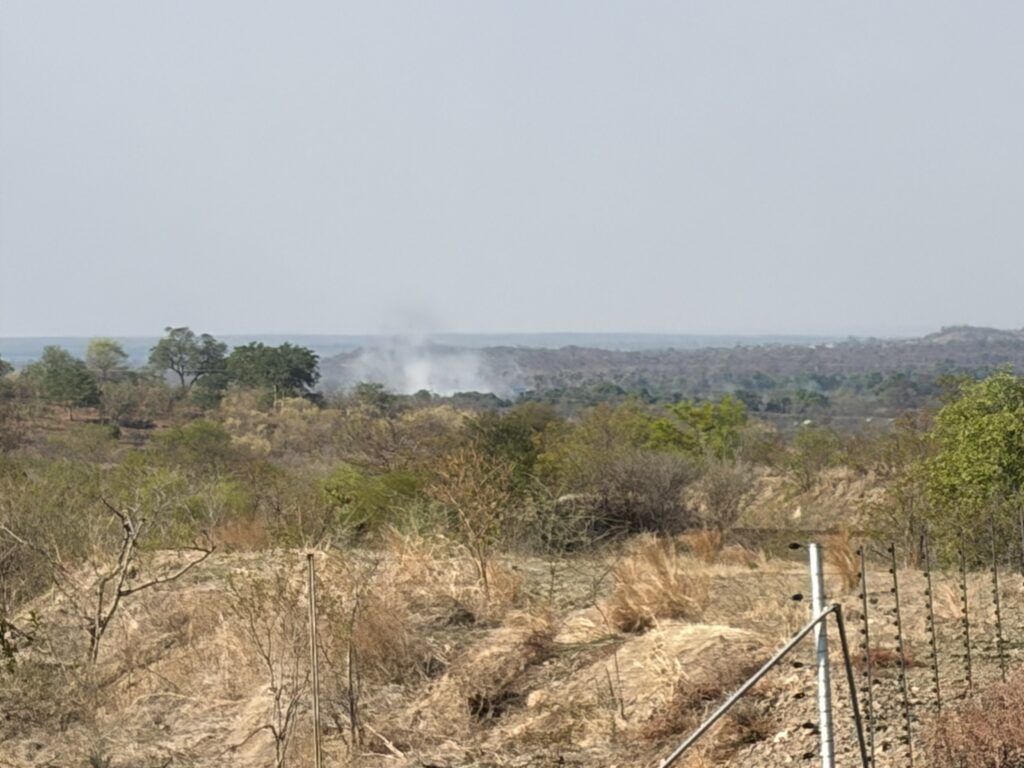
Victoria Falls as seen from the helipad
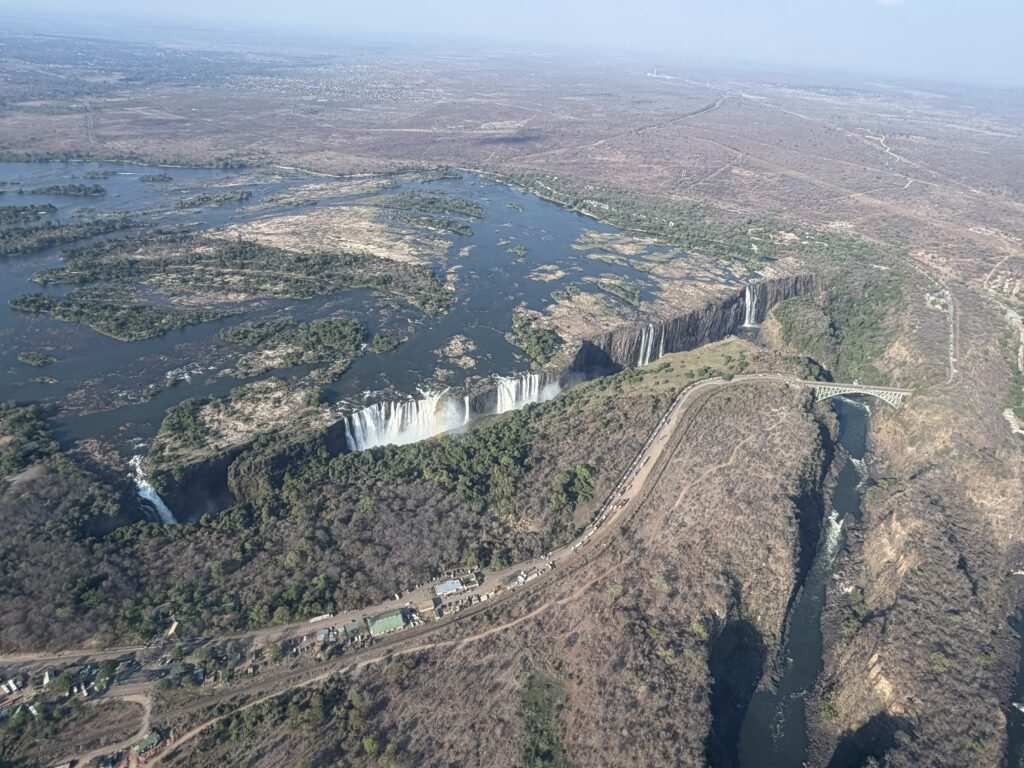
A panoramic view of Victoria Falls from the helicopter
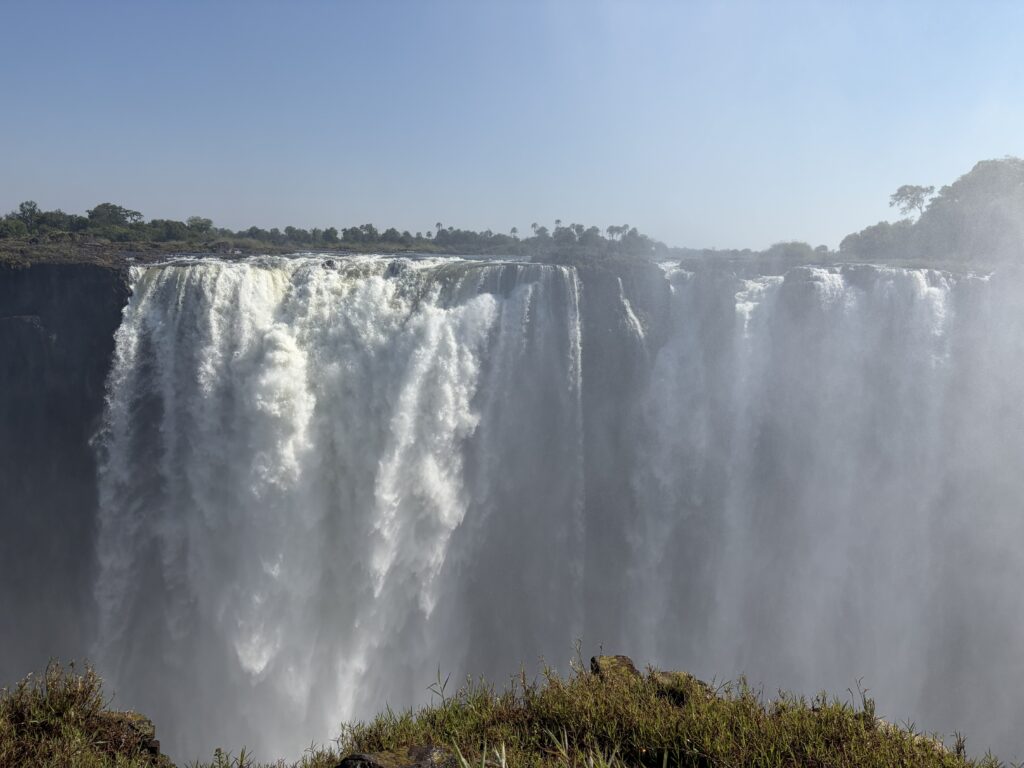
Additional Information
Airport Lounges
At present, there are no lounges at Victoria Falls Airport accessible to Star Alliance Gold members.
There are two lounges that accept Priority Pass, but both are small. Whether you can use them may depend on how crowded they are at the time.
Transit in South Africa
Our flight from Victoria Falls to Johannesburg was operated by South African Airways, a Star Alliance member. However, we were not treated as transit passengers. We had to go through South African immigration and then complete departure procedures before boarding our connecting flight.
There are relatively few staff members available to assist travelers at Johannesburg Airport. If you are traveling independently, I recommend allowing plenty of time for your connection.
Passengers with disabilities are given priority during immigration checks. As a result, the lanes near the exit (the lanes closest to the aircraft arrival area) may have queues of wheelchair users who are processed ahead of other passengers. If you prefer to avoid these lanes, it may be better to choose another lane.
For group tours, the tour leader will manage the process, so simply follow their instructions.
Immigration Procedures in Zimbabwe
An e-Visa is required to enter Zimbabwe, although visas on arrival are also available. When applying from Japan, you can choose to pay in advance or pay upon arrival.
For payment upon arrival, both credit cards and cash in US dollars appeared to be accepted as options. However, the local staff told us that payment was cash only, so we had no choice but to pay in US dollars.
We only had low-denomination banknotes, so we handed over more than ten US dollar bills. The officer accepted them without counting them.
Looking more closely, I noticed a large pile of US dollar banknotes beside the officer. The scene left me wondering whether the money we had paid was actually being properly deposited into the national treasury.