Italy
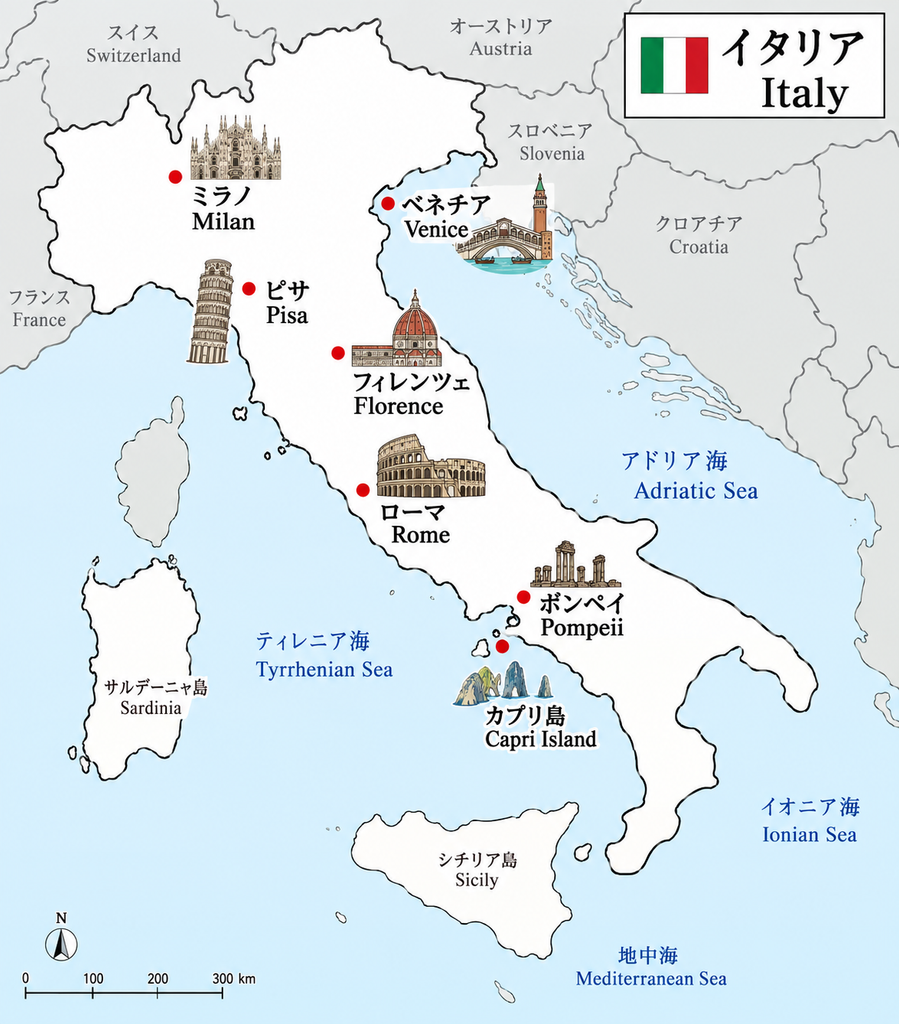
Italy has the largest number of UNESCO World Heritage Sites in the world.
Wherever you go in the country, you will be impressed by historic buildings, sculptures, and works of art that convey its long and rich history.
At the same time, you need to be careful about pickpocketing and bag snatching, particularly in tourist areas and crowded places.
When I visited the Leaning Tower of Pisa, I almost became a victim of pickpocketing while waiting for a shuttle bus to the parking area.
I was paying attention to my surroundings, but when the bus arrived, I briefly looked toward it. At that moment, someone tried to put a hand into my pocket.
Fortunately, I was wearing an outer pair of pants over my regular trousers, which blocked the opening of the pocket, so the person could not take the wallet inside. The would-be thief seemed to give up and walked away.
Because of this experience, I recommend taking adequate precautions to protect your valuables when visiting Italy.
<Basic Information>
Population: Approximately 59 million
Area: Approximately 301,000 km² (about 80% of the area of Japan)
Capital: Rome
Language: Italian
Currency: Euro (EUR)
*Credit cards are widely accepted at hotels, restaurants, shops, and other establishments commonly used by tourists.
Climate: Because Italy is a long, narrow country stretching from north to south, there are significant regional differences.
Many areas are hot and dry in summer, while winters tend to be colder in the north.
The appropriate clothing can vary considerably depending on the season and the cities you visit.
Time difference: 8 hours behind Japan
*7 hours behind Japan during daylight saving time
Voltage: 230V
*Sockets include Type C and Type F.
World Heritage Sites: More than 60
There are many world-famous cultural heritage sites, including the Historic Centre of Rome, the Historic Centre of Florence, Venice and its Lagoon, and Pompeii.
Tipping:
Unlike in the United States, tipping is generally not mandatory in Italy.
A service charge may already be included at restaurants, and a small tip is usually sufficient when you receive particularly good service.
Famous Tourist Destinations:
Rome: The Colosseum, Roman Forum, Pantheon, Trevi Fountain, Vatican City, and more.
Florence: The Duomo, Uffizi Gallery, Ponte Vecchio, and more. Florence is known as a center of Renaissance art.
Venice: St. Mark’s Square, St. Mark’s Basilica, Rialto Bridge, canals, and more. The city consists of 118 islands connected by more than 400 bridges.
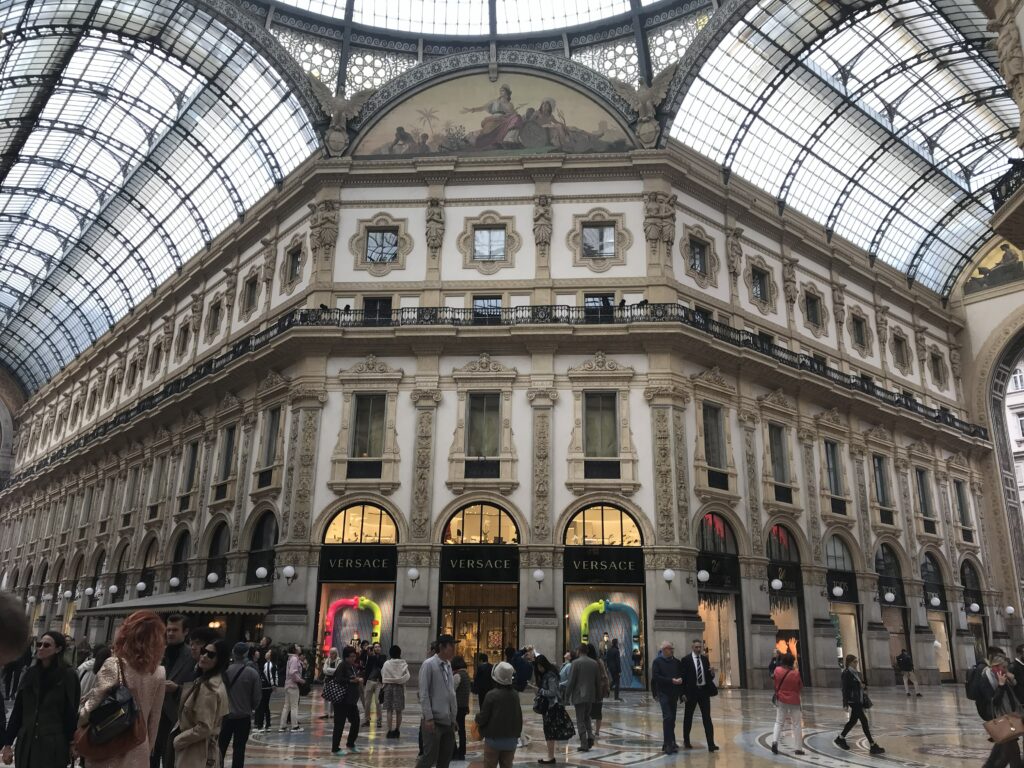
Milan: Duomo di Milano, La Scala, The Last Supper, and more. Milan is also famous as a city of fashion and design.
Naples: The historic center, Bay of Naples, Mount Vesuvius, and more. Naples is also known as the birthplace of pizza.
Amalfi Coast: A beautiful coastal region where towns are built along steep cliffs.
Cinque Terre: Five beautiful villages and coastal landscapes along the Mediterranean Sea.
Pisa: The Leaning Tower of Pisa.
Pompeii: An ancient city buried by the eruption of Mount Vesuvius.
Sicily: A region rich in history and nature, including Mount Etna, Taormina, and Palermo.
<Milan>
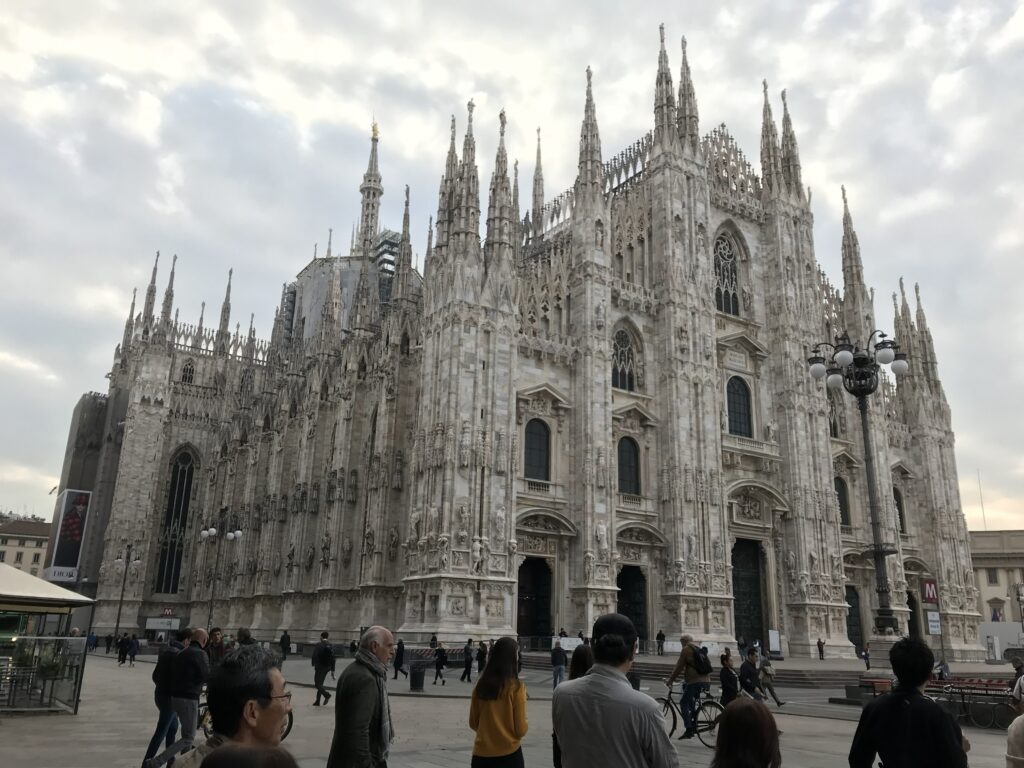
Milan Cathedral
(Duomo di Milano)
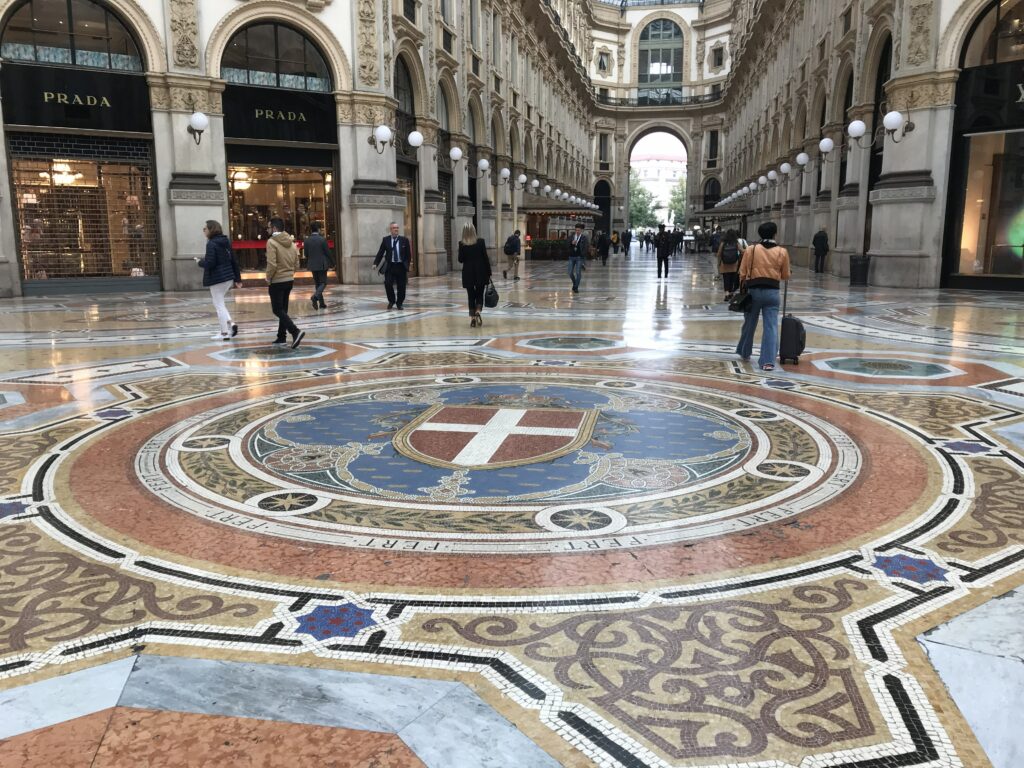
Galleria Vittorio Emanuele II
The red shield with a white cross in the center is the coat of arms of the House of Savoy, which became the Italian royal family.
Surrounding the royal coat of arms are the coats of arms of four cities: Milan, Turin, Rome, and Florence. They represent Italian unification and the establishment of the Kingdom of Italy in the design of the floor.
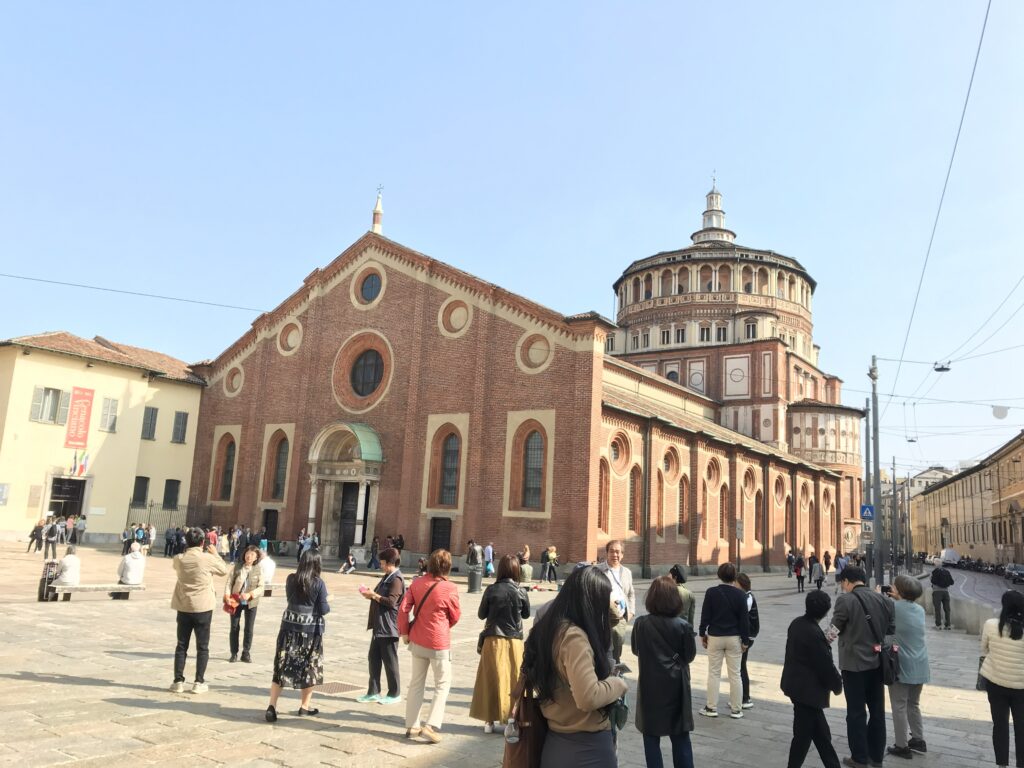
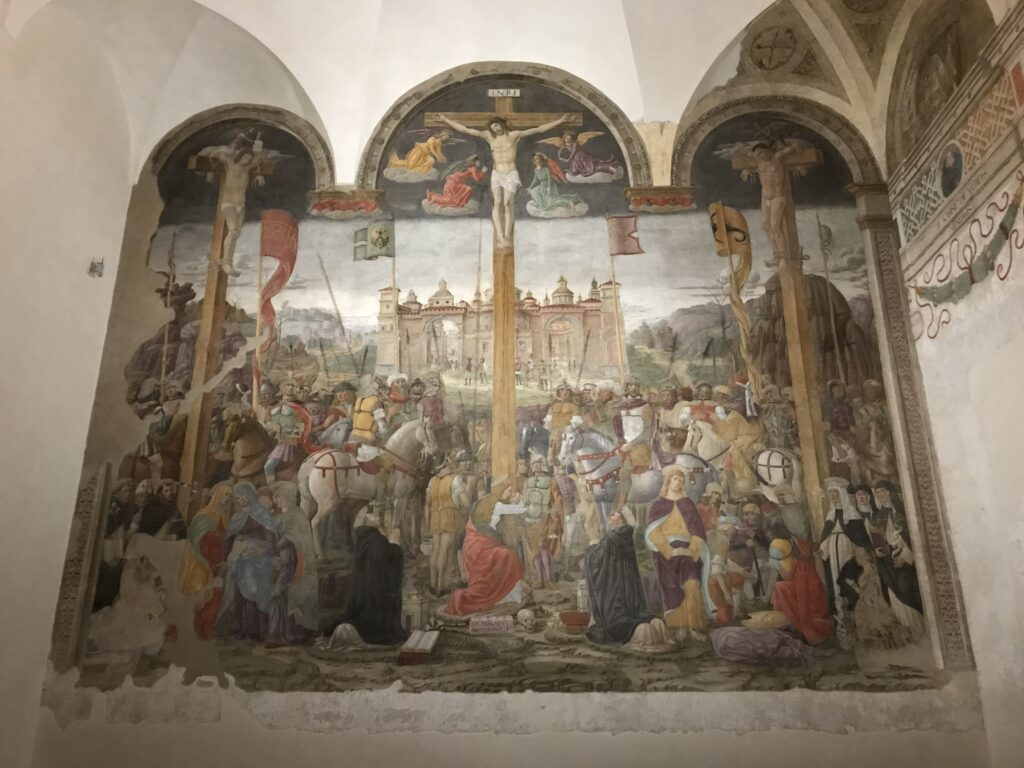
Santa Maria delle Grazie
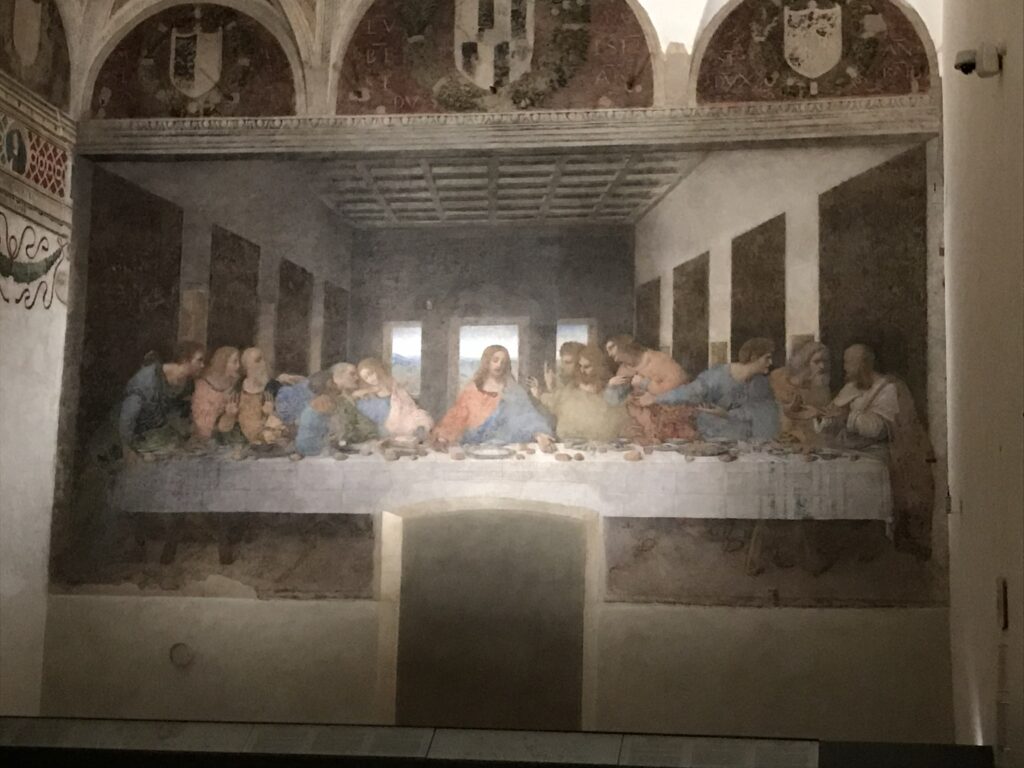
Leonardo da Vinci’s The Last Supper is painted in the refectory of the monastery adjacent to the church.
The Last Supper
The Crucifixion
Painted on the wall opposite The Last Supper, the two works face each other.
<Venice> <Pisa>
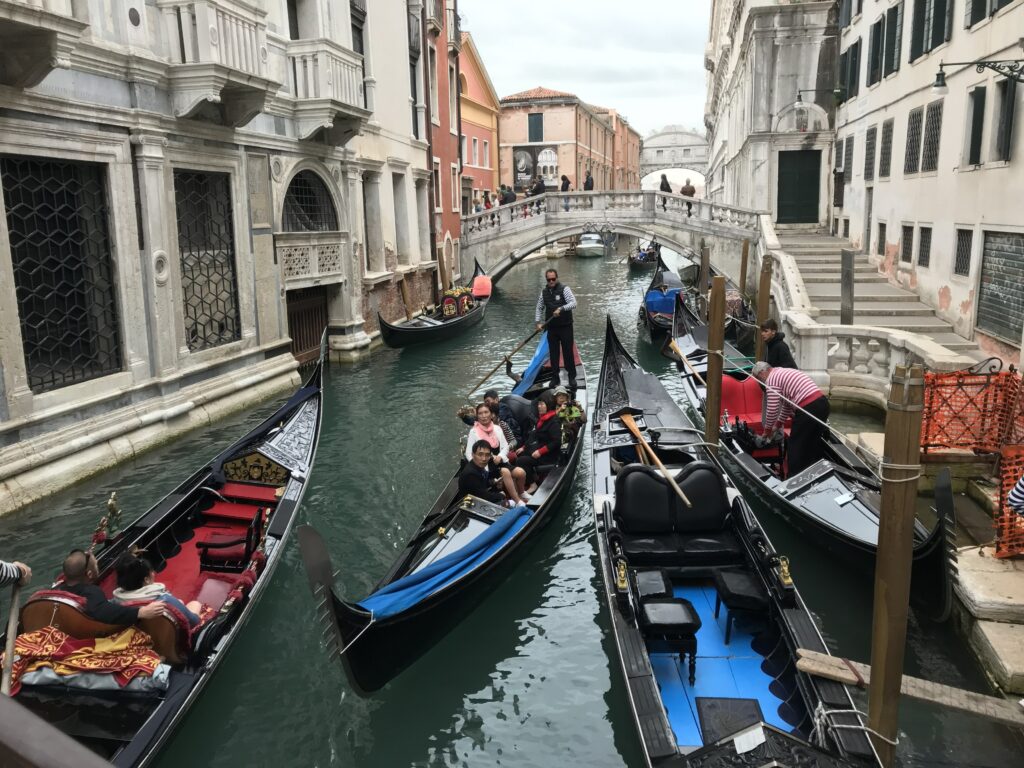
Gondola ride in Venice
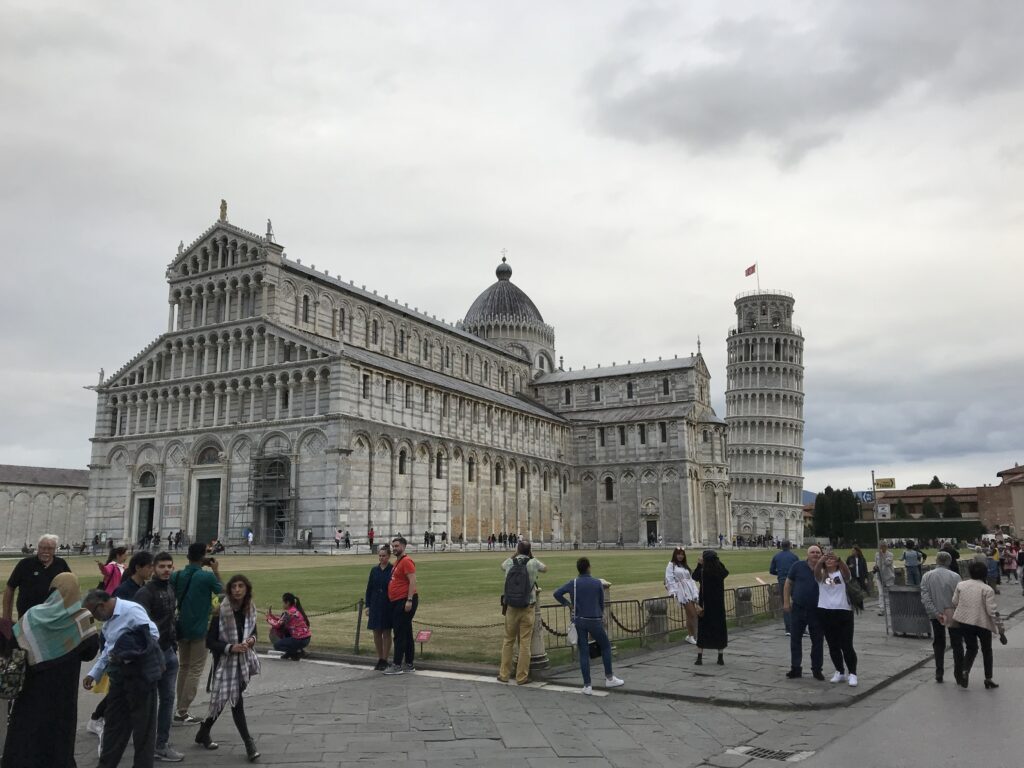
Pisa Cathedral and the Leaning Tower in Piazza dei Miracoli
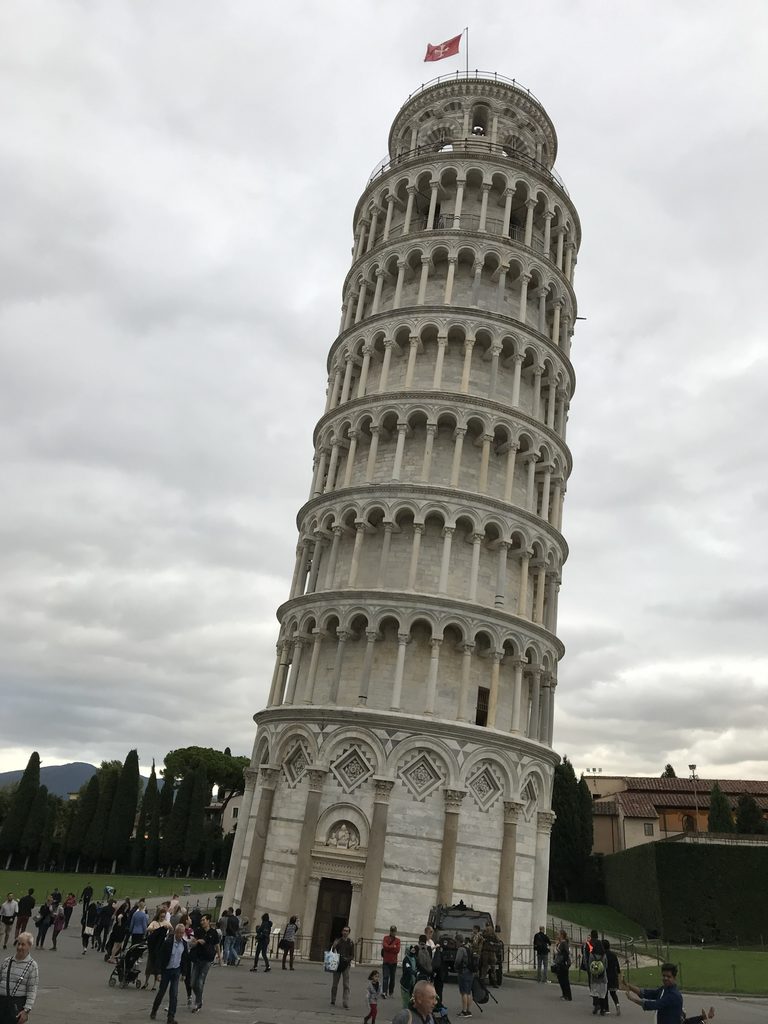
<Florence>
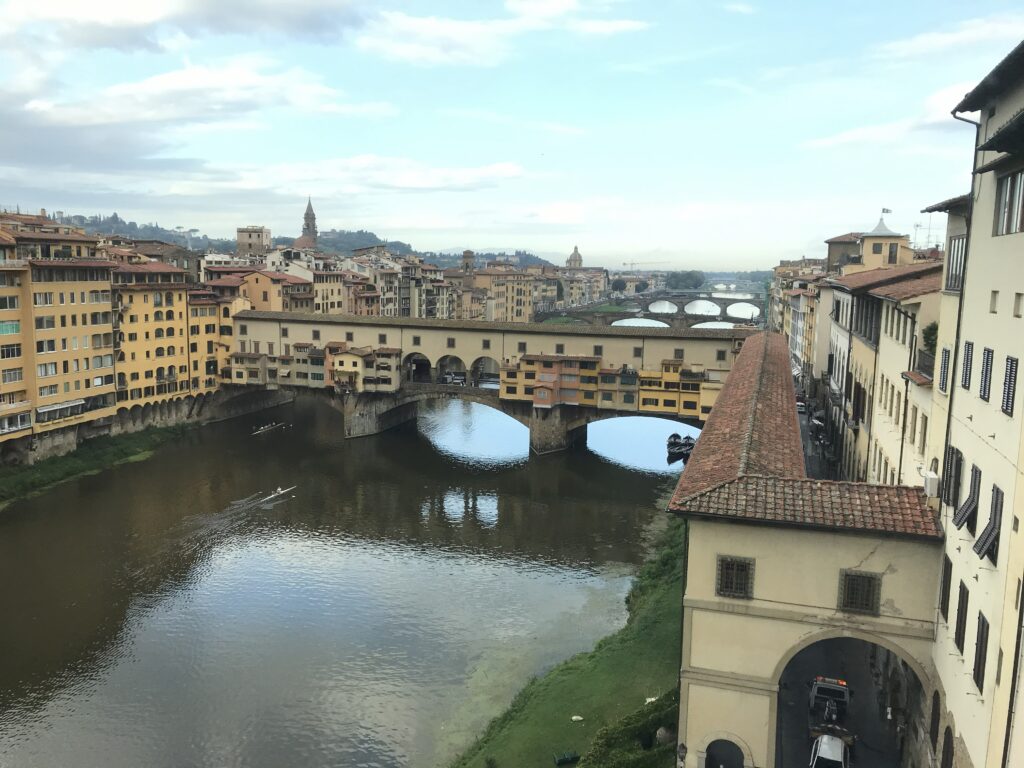
Ponte Vecchio
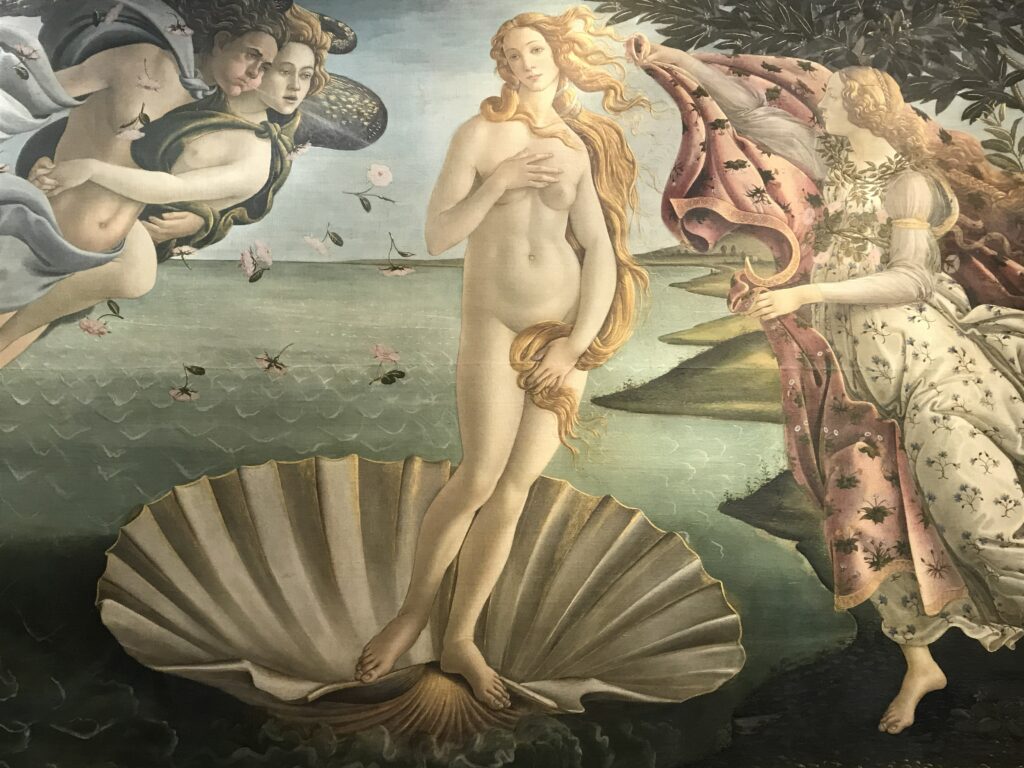
The Birth of Venus
Uffizi Gallery
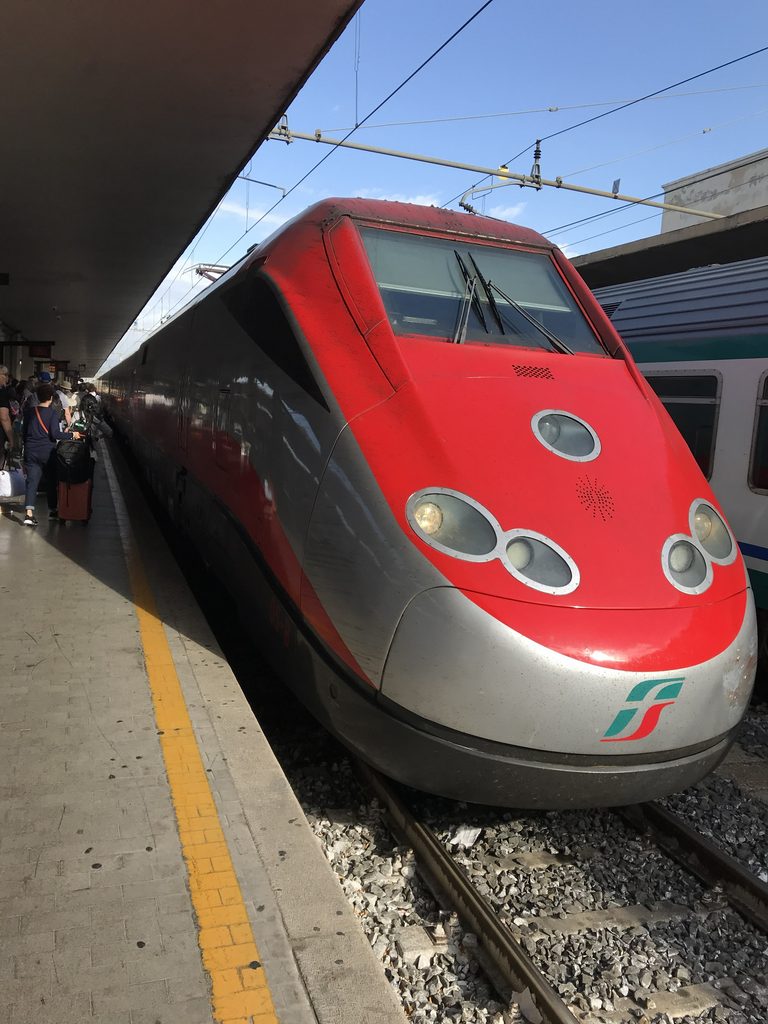
From Florence to Rome
<Capri Island>
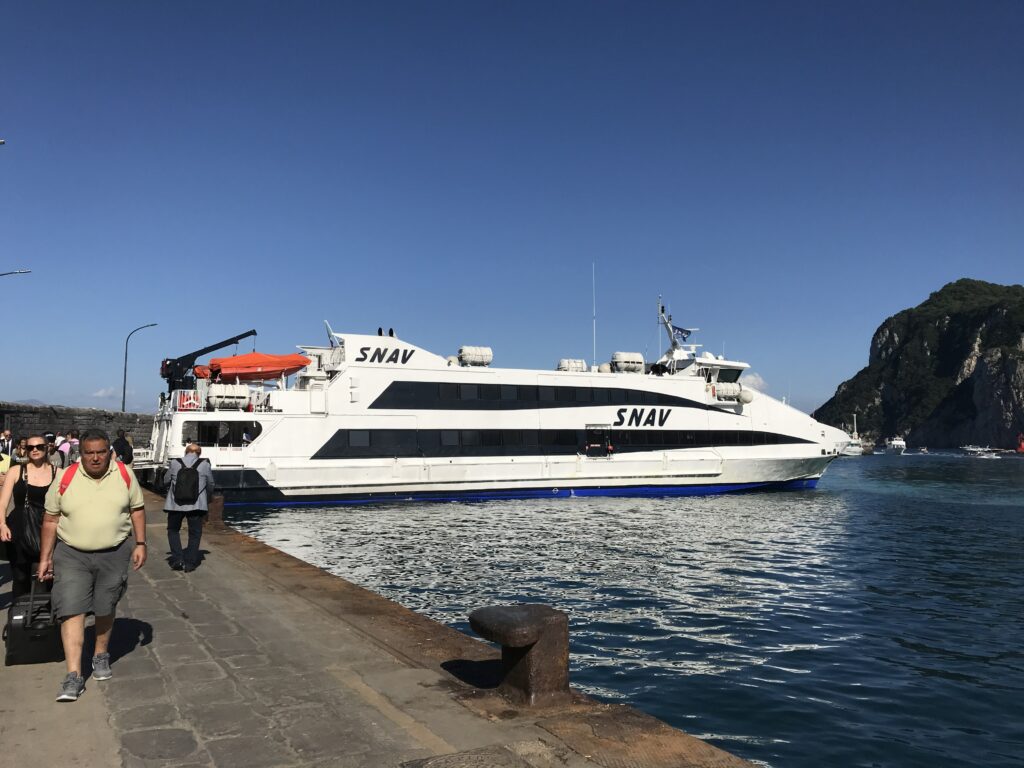
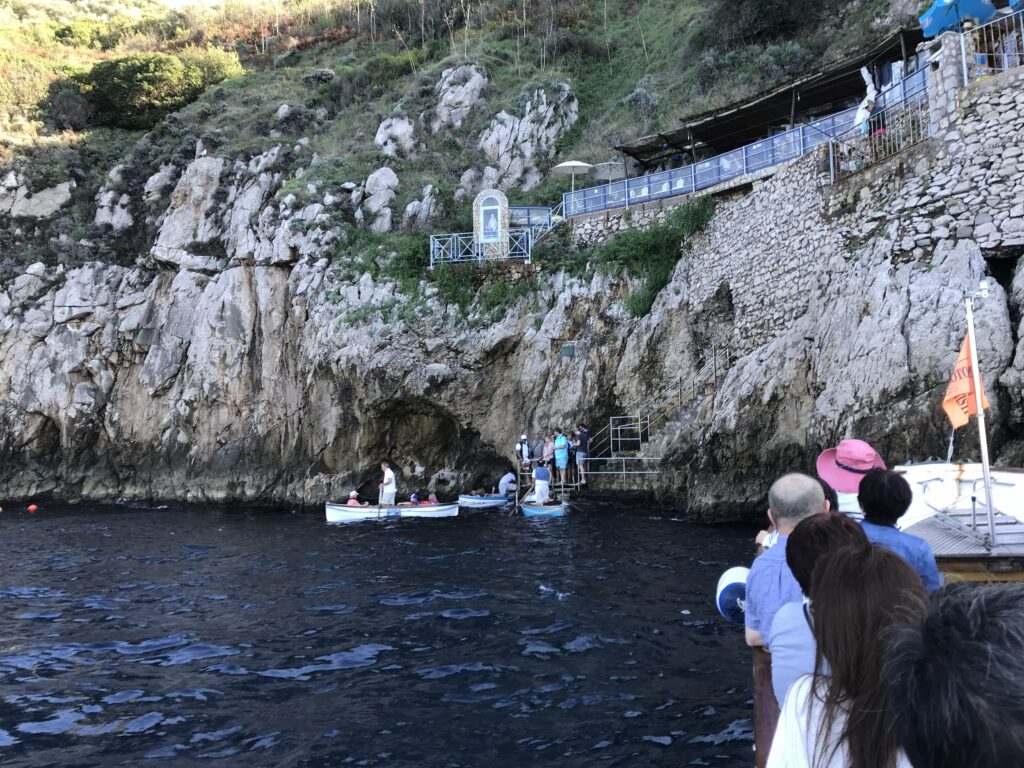
Marina Grande, the main port of Capri Island
From here, we headed to the Blue Grotto.
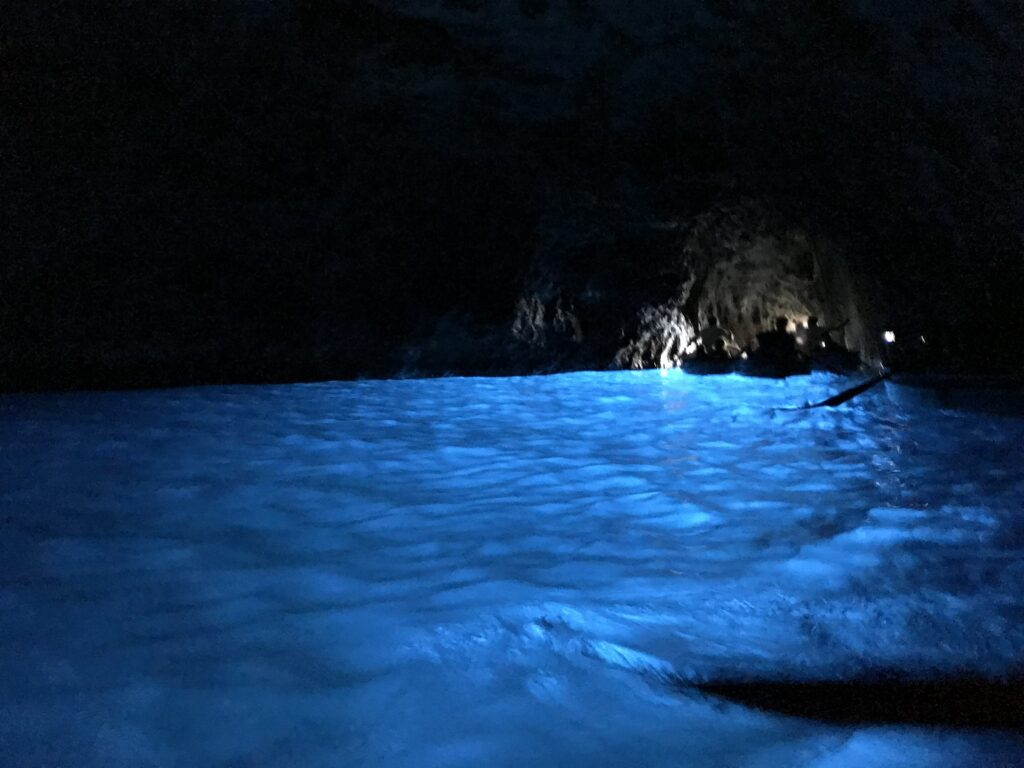
Near the entrance to the cave, we transferred to a small rowing boat that seats four to five people.
The entrance to the cave is extremely small. As we entered, everything suddenly became completely dark, and for a moment, we could see nothing.
Then, in the next instant, the seawater before our eyes suddenly turned a brilliant blue.
The dramatic transformation was truly breathtaking.
The Blue Grotto may be closed to visitors depending on the weather and sea conditions.
According to travel information, the average annual rate of entry is said to be around 60%, although it varies depending on the season.
Therefore, if you plan to visit, it is advisable to choose a period when the chances of entering the cave are higher or allow some flexibility in your itinerary by staying for several days.
<Pompeii>
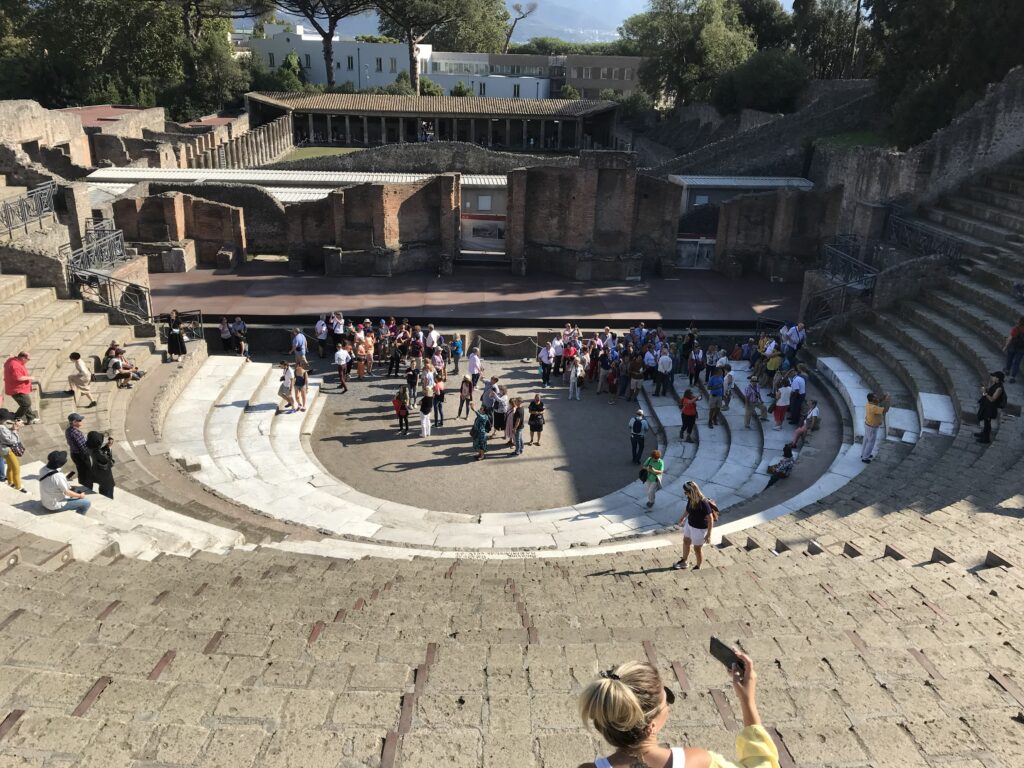
The Great Theatre (Teatro Grande) at the Pompeii archaeological site
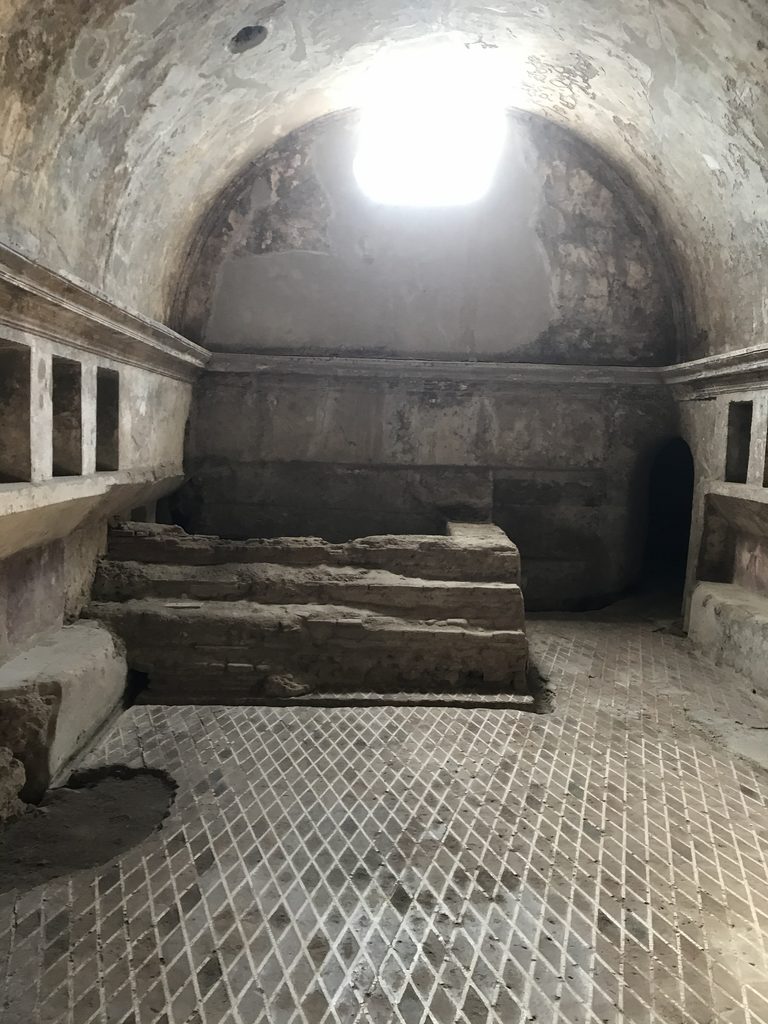
The remains of an ancient Roman bath at the Pompeii archaeological site. The arched ceiling and stone structures give us an idea of what Roman baths were like at the time.
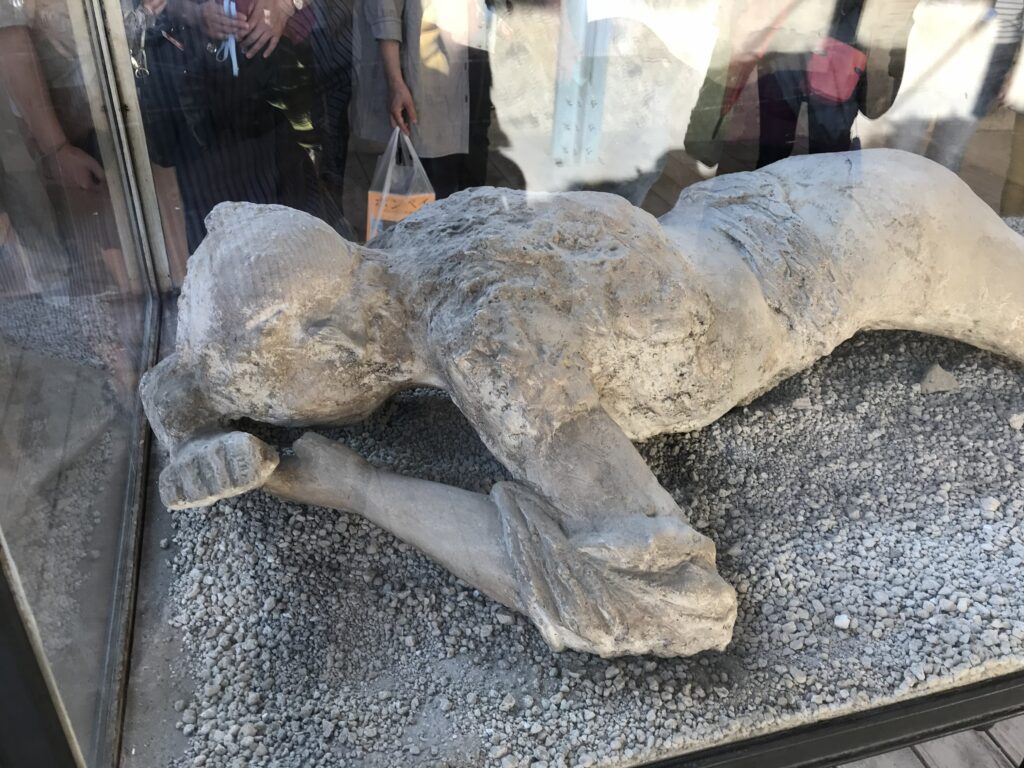
Plaster casts of the victims of the Pompeii eruption
These were created by pouring plaster into cavities left by bodies buried under volcanic ash, reproducing the positions of the victims at the time of their deaths.
<Rome>
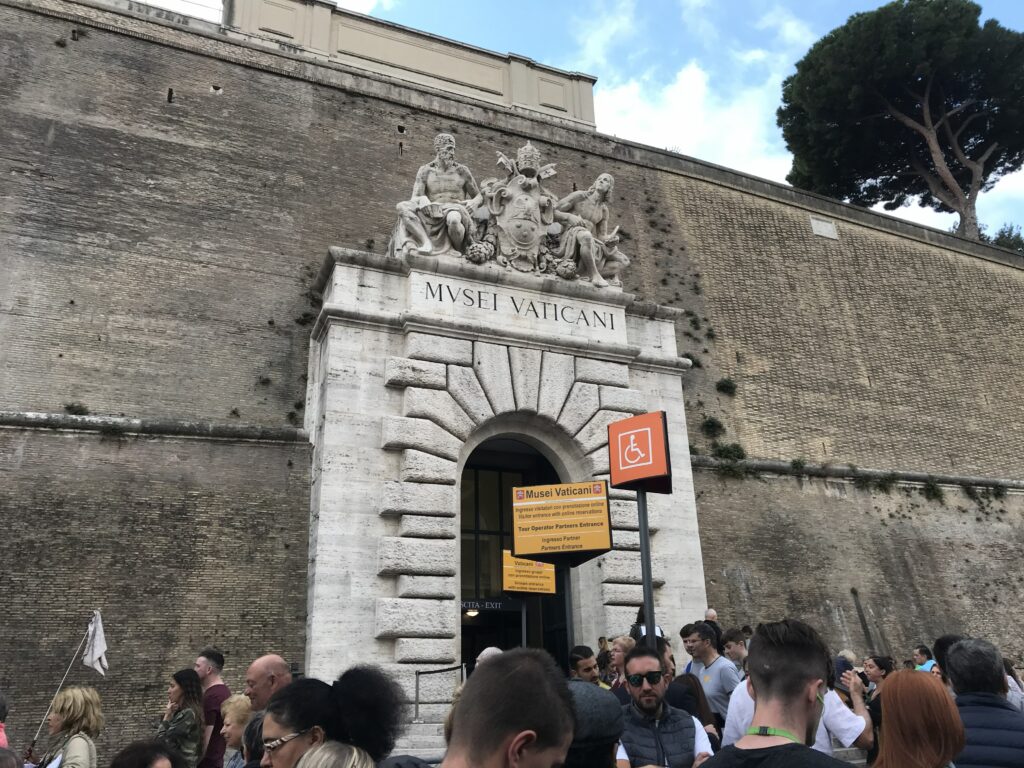
Entrance to the Vatican Museums (Musei Vaticani / Vatican Museums)
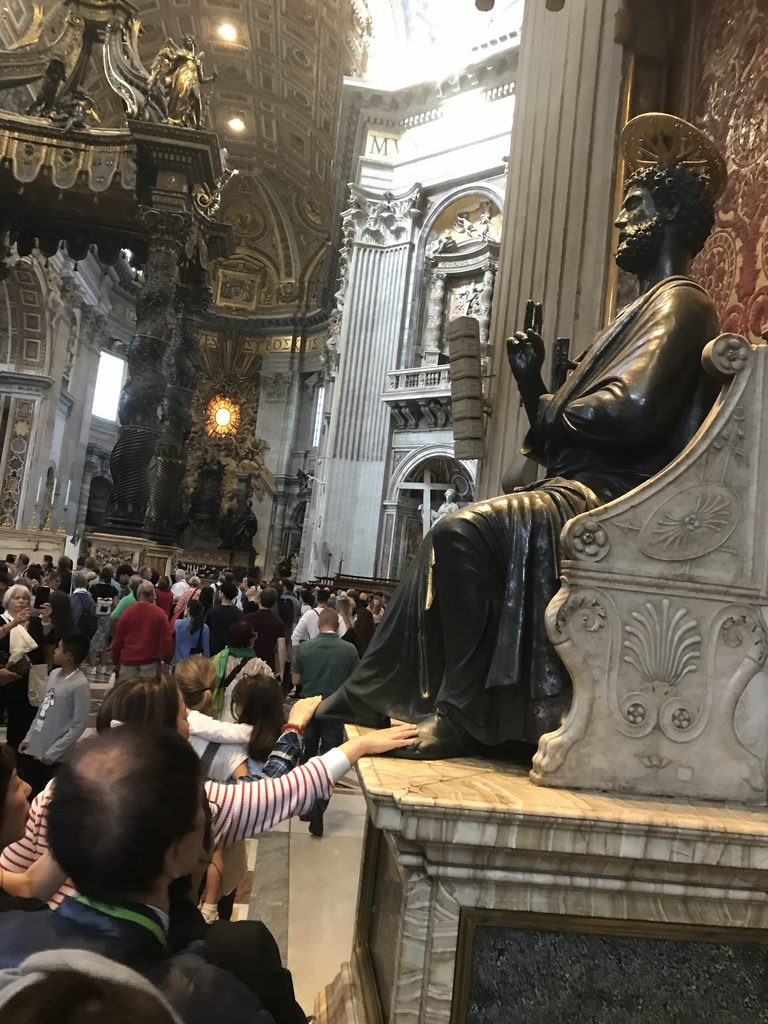
Statue of St. Peter
The right foot has been worn down because many pilgrims have touched it as a gesture of reverence.
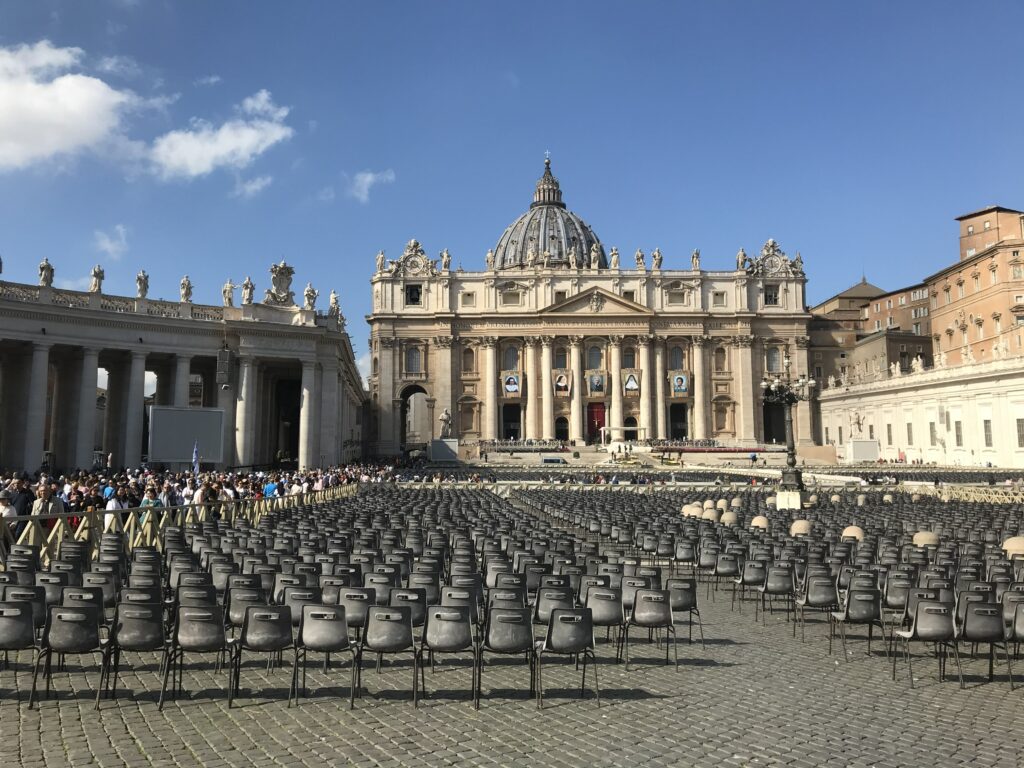
St. Peter’s Basilica, as seen from St. Peter’s Square (Piazza San Pietro).
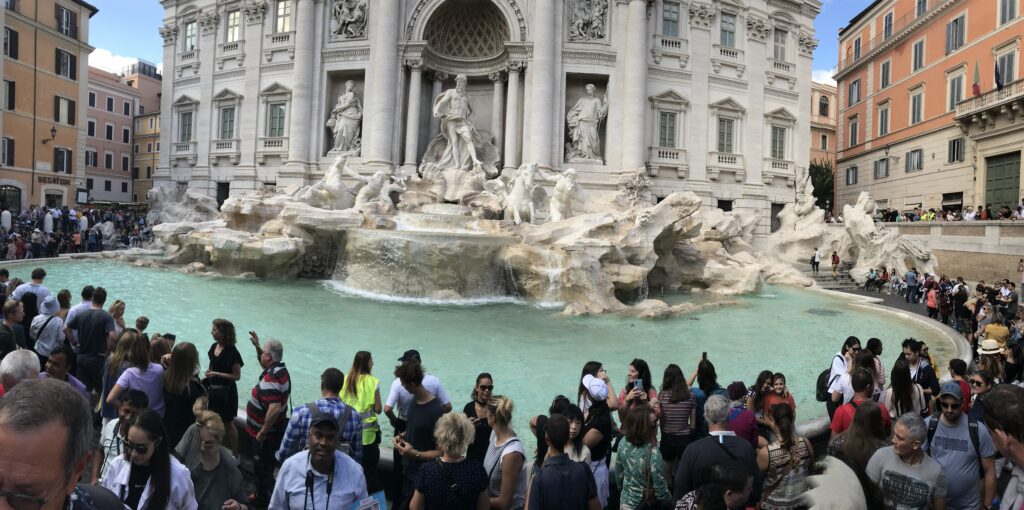
Trevi Fountain
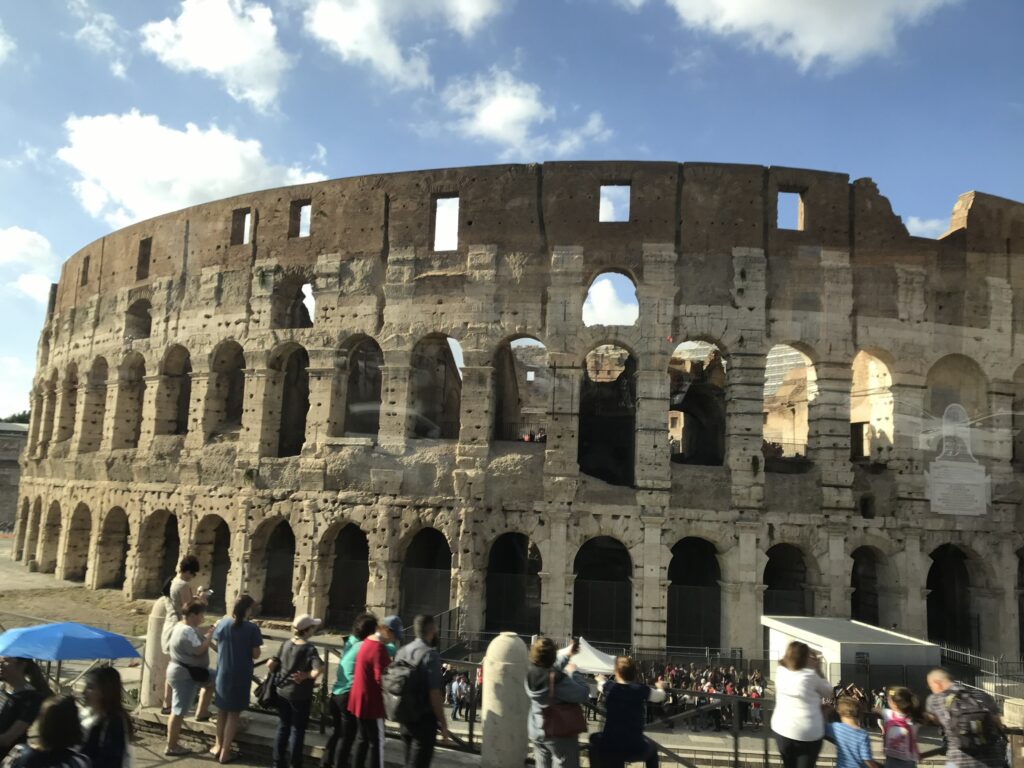
The Colosseum
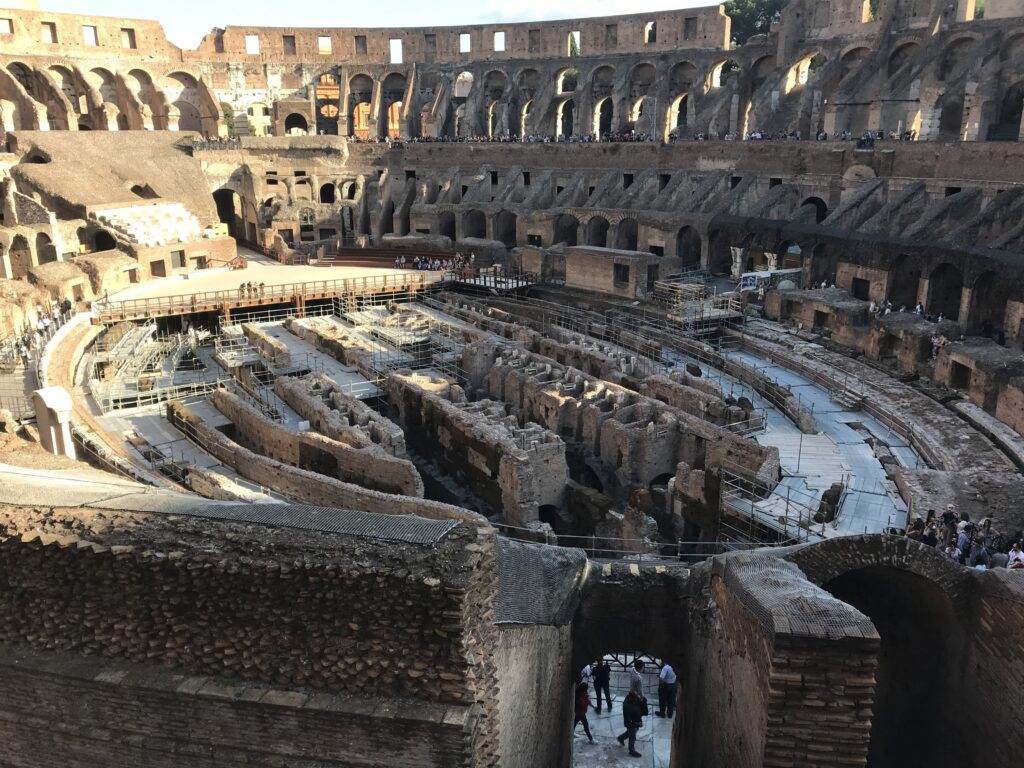
Inside the Colosseum
Airline used for the trip (2019): Alitalia (now ITA Airways)
Outbound: Tokyo → Milan
Return: Rome → Tokyo
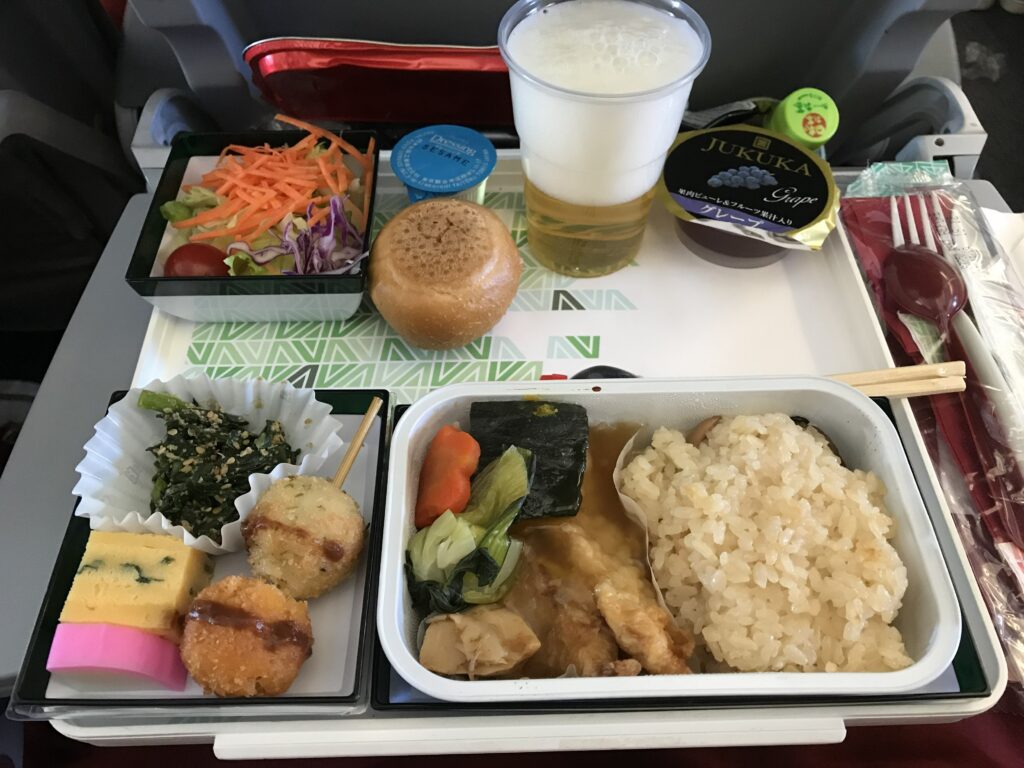
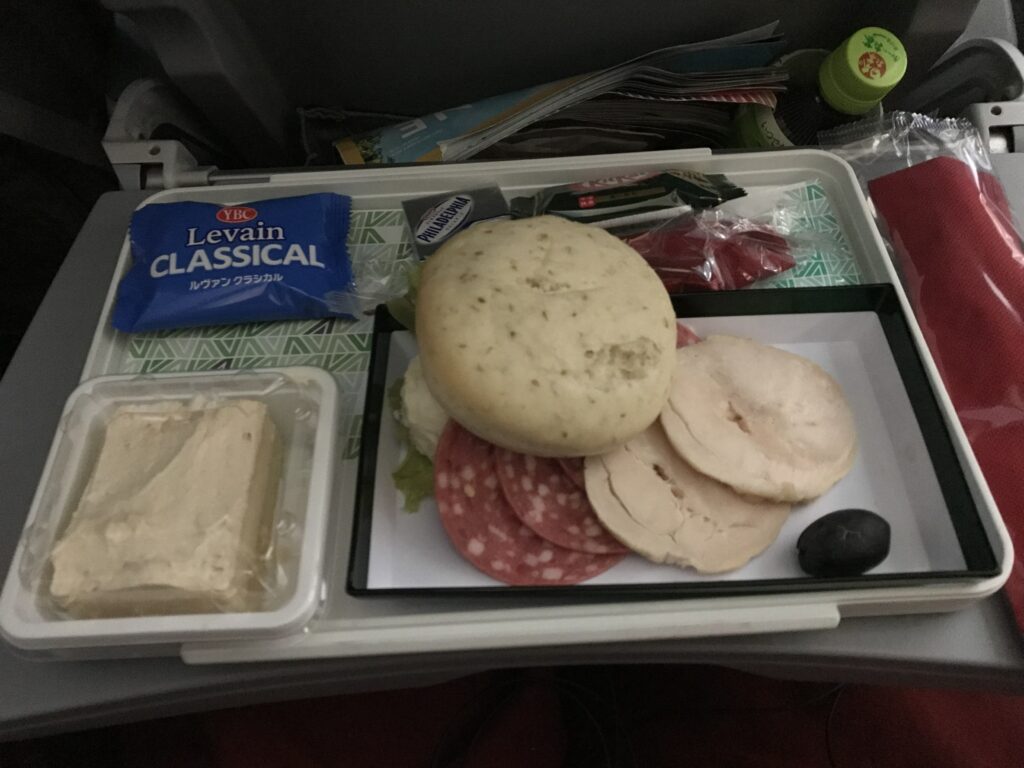
In-flight meal, Tokyo → Milan
— First meal