Peru
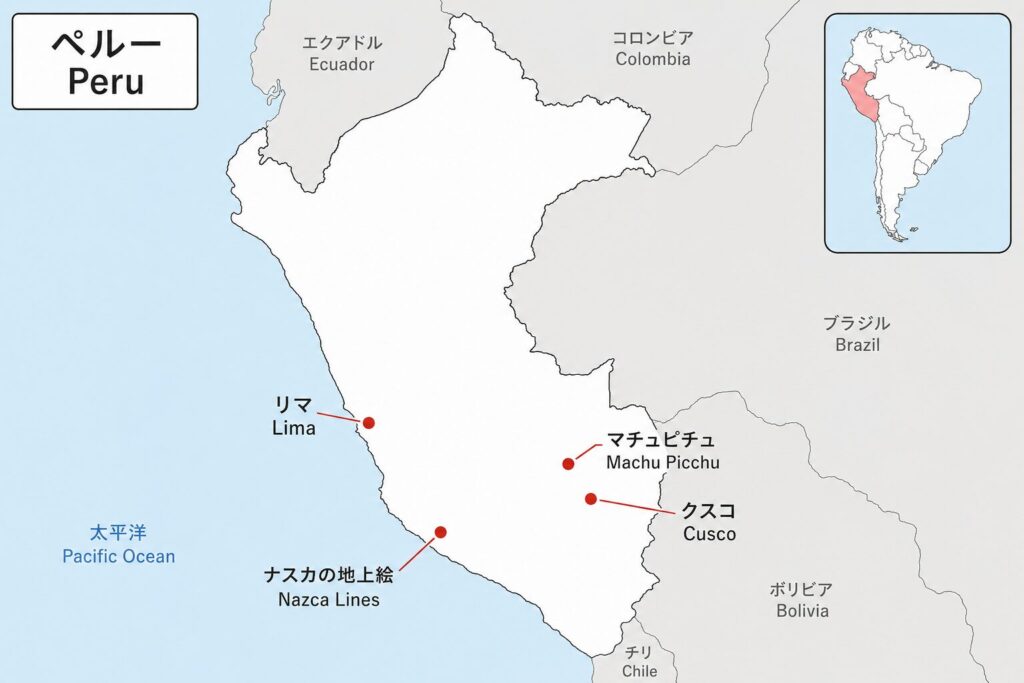
I traveled to Peru to see Machu Picchu, one of the world’s most popular tourist destinations.
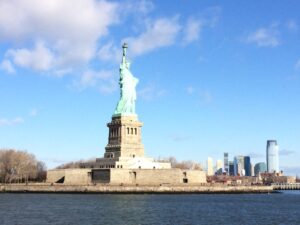
Since I stayed overnight in New York both before and after my trip to Peru, the long flights to and from Peru felt relatively manageable.
I had heard that extra caution was needed regarding safety in Lima, the capital, so I made sure not to venture outside areas considered safe for tourists.
On the other hand, when I visited Cusco, a high-altitude city, and Machu Picchu Pueblo, I felt relatively comfortable walking around even at night.
At small shops and local markets, Spanish was often the only language spoken, so a calculator came in very handy. By displaying numbers to confirm prices, I was able to manage even when we could not understand each other’s language.
Basic Information
Capital: Lima
Languages: Mainly Spanish; Quechua, Aymara, and other languages are also spoken in some regions
Currency: Peruvian Sol (PEN)
Time difference from Japan: −14 hours (Peru is 14 hours behind Japan)
Best time to visit: The dry season, roughly from May to October, is generally a good time to visit Machu Picchu and Cusco
Main tourist destinations: Lima, Cusco, Machu Picchu, the Nazca Lines, Lake Titicaca, Arequipa, and others
Altitude: Cusco is approximately 3,400 meters above sea level. Visitors should be aware of the risk of altitude sickness.
Transportation: Peru is a large country, so domestic flights and long-distance buses are commonly used for travel between cities. The usual way to reach Machu Picchu is by train followed by bus.
Safety: Be alert for pickpocketing, bag snatching, and theft in tourist areas. Avoid walking alone at night or in areas with few people.
Electricity: 220V, 60Hz. Devices designed only for Japan’s 100V supply require a voltage converter. Check the plug type in advance as well.
Cuisine: Ceviche and lomo saltado are among Peru’s best-known dishes.
World Heritage Sites: Peru is home to many UNESCO World Heritage Sites, including Machu Picchu, the City of Cusco, and the Lines and Geoglyphs of Nazca and Palpa.
Lima
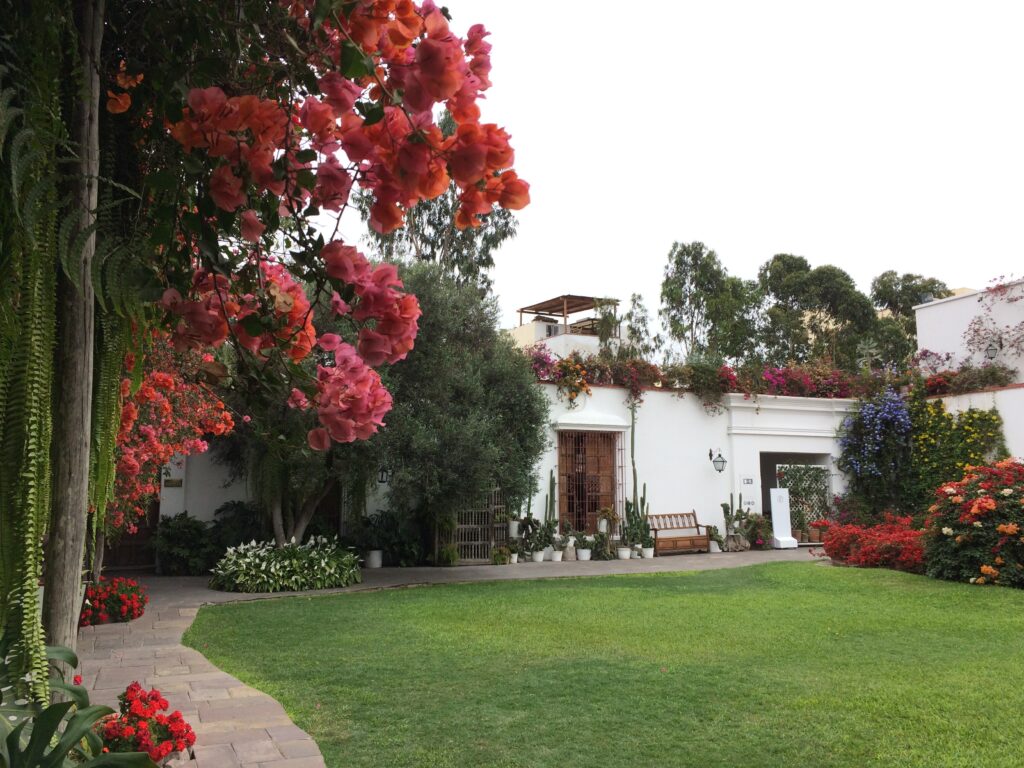
Larco Museum (Museo Larco)
A museum featuring the cultures of pre-Columbian Peru.
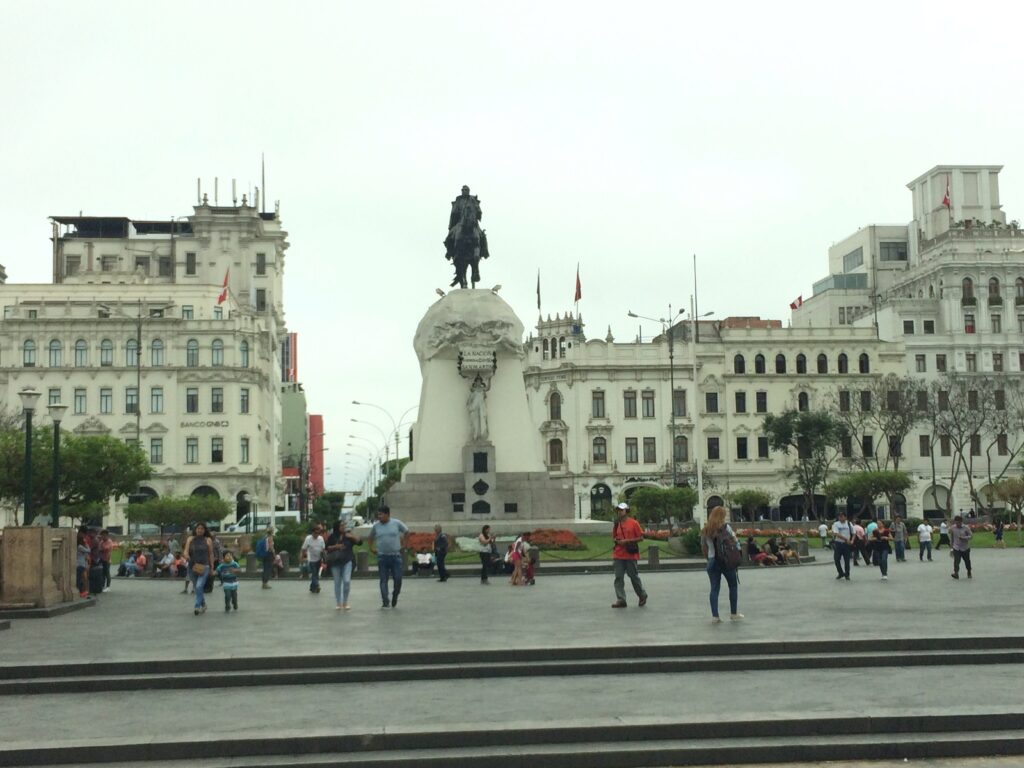
Plaza San Martín
A square dedicated to José de San Martín, a hero of Peruvian independence. A large equestrian statue of San Martín stands in the center of the square.
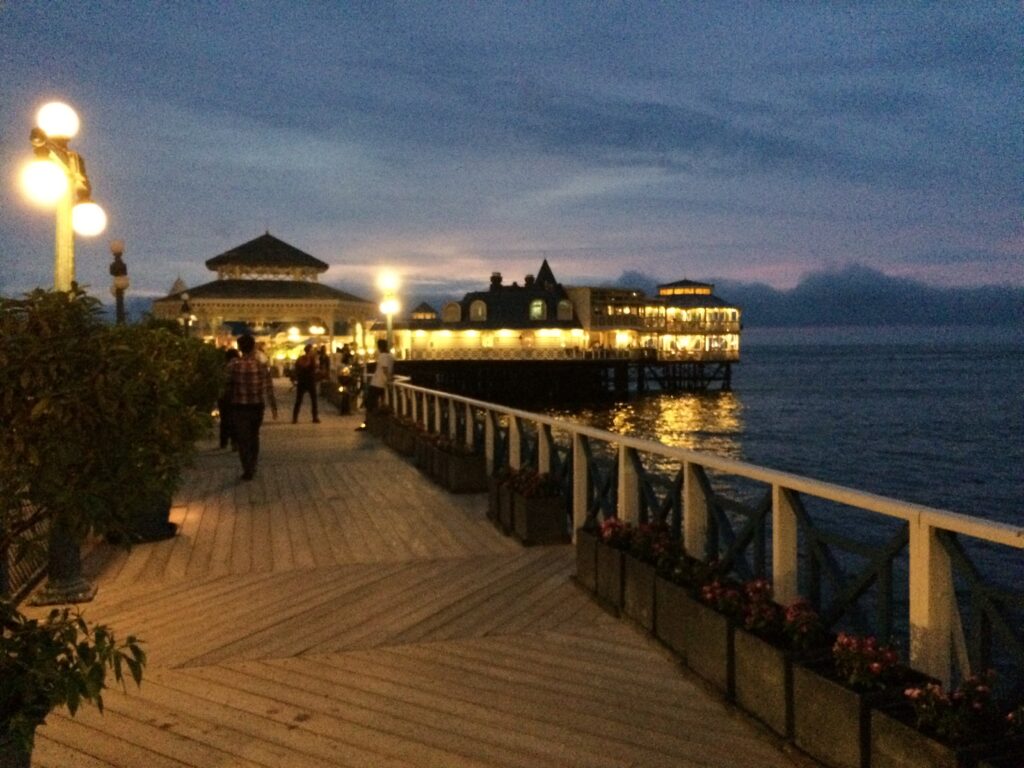
La Rosa Náutica
A seaside restaurant located at the end of a pier off the Miraflores coast. The atmosphere from sunset into the evening was especially memorable.
Machu Picchu
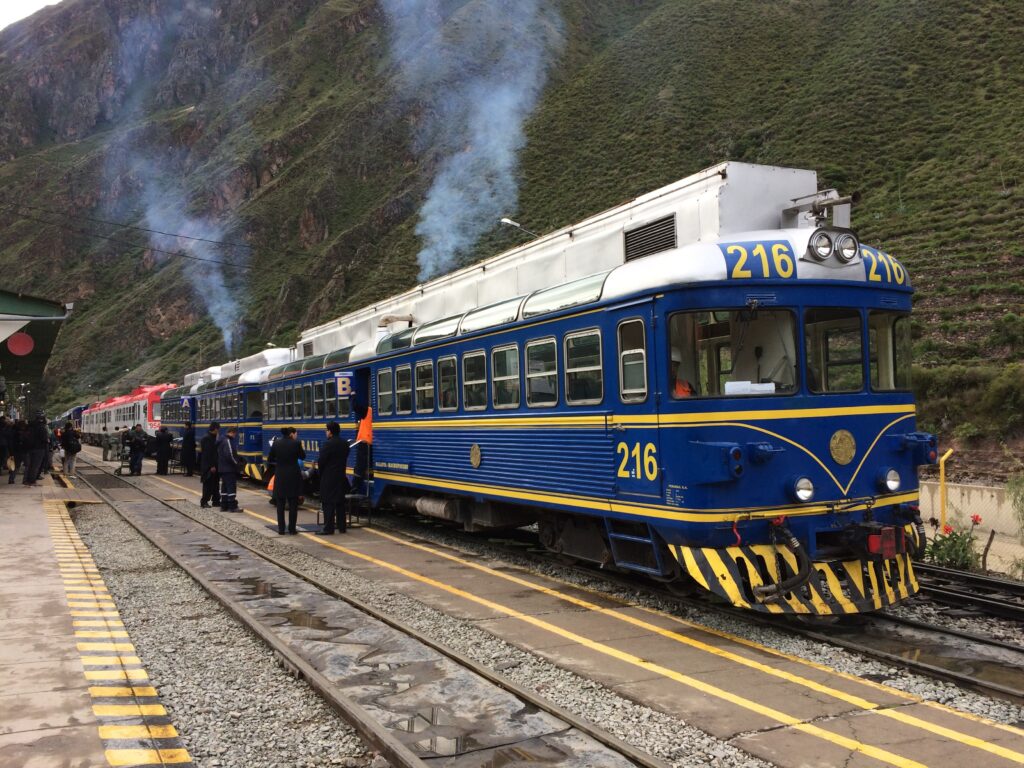
Train to Machu Picchu
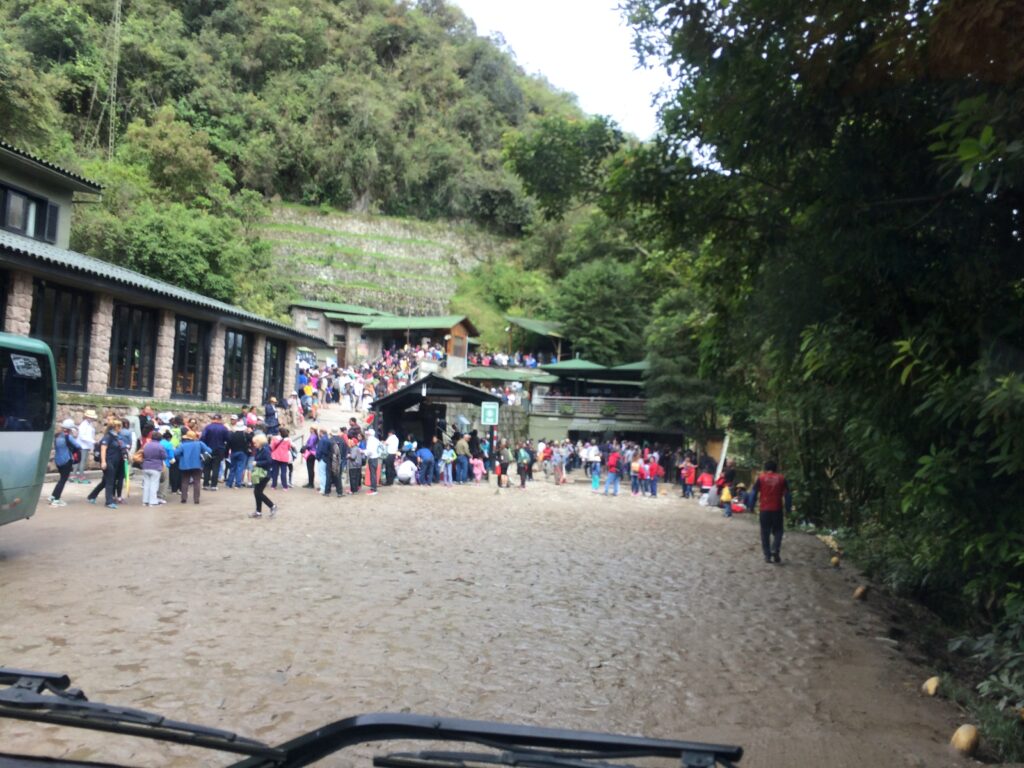
Entrance to Machu Picchu
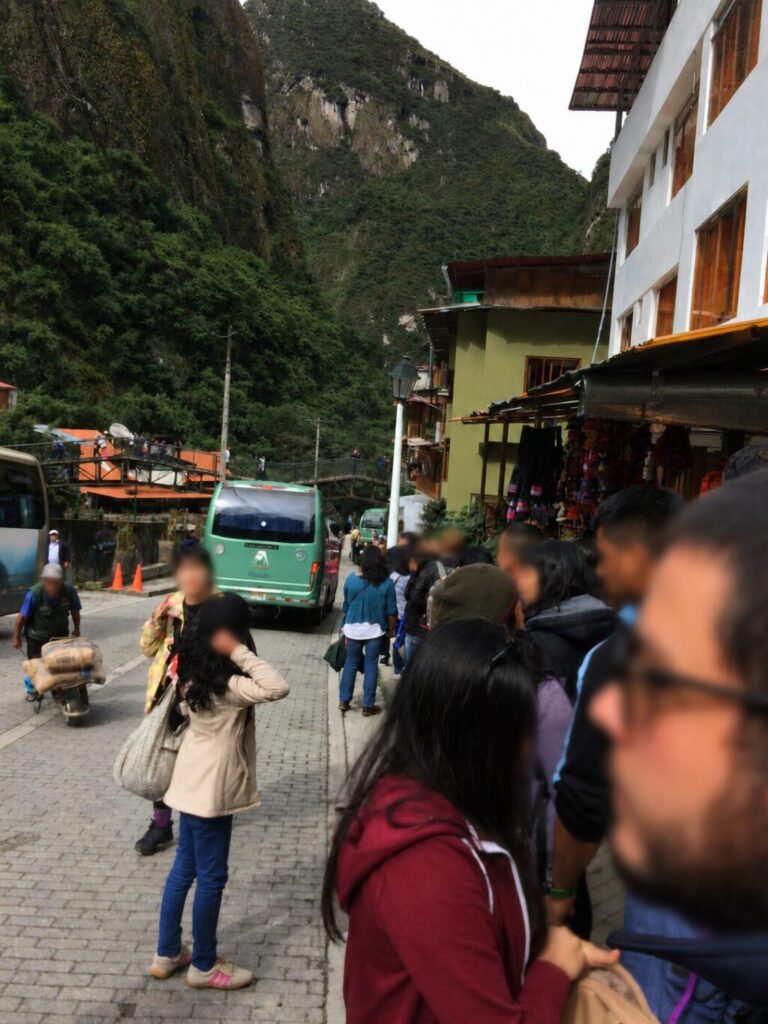
The line for buses to Machu Picchu after getting off the train.
The line for the bus and the line for purchasing bus tickets can become mixed together, so make sure you are in the correct line before waiting.
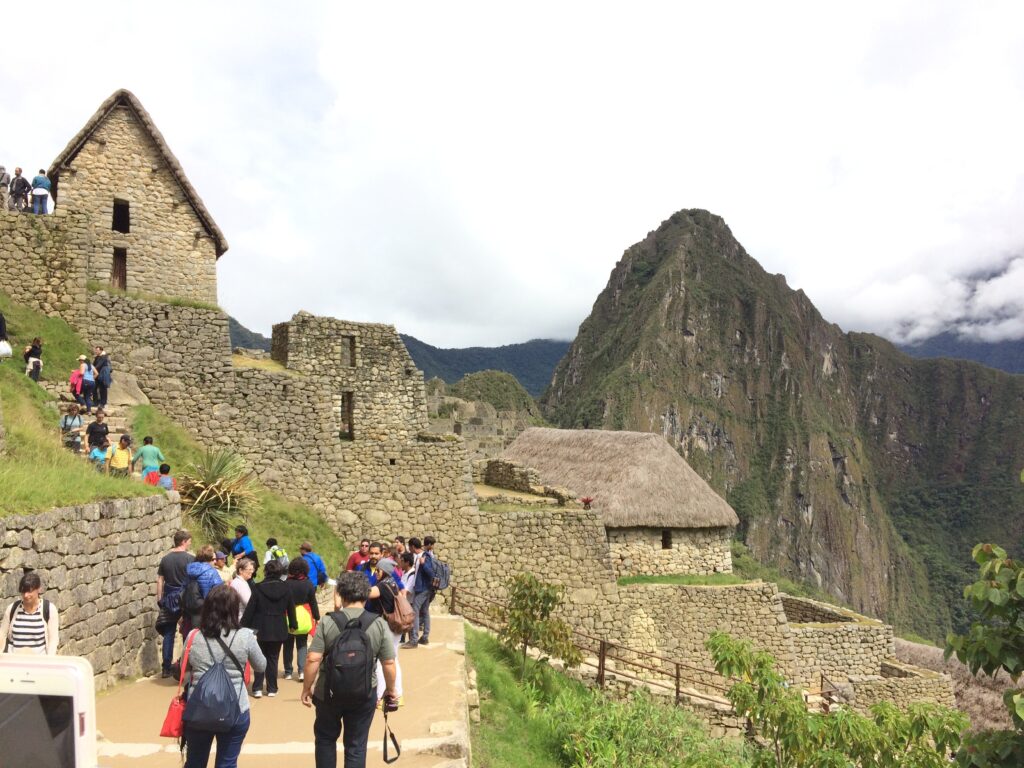
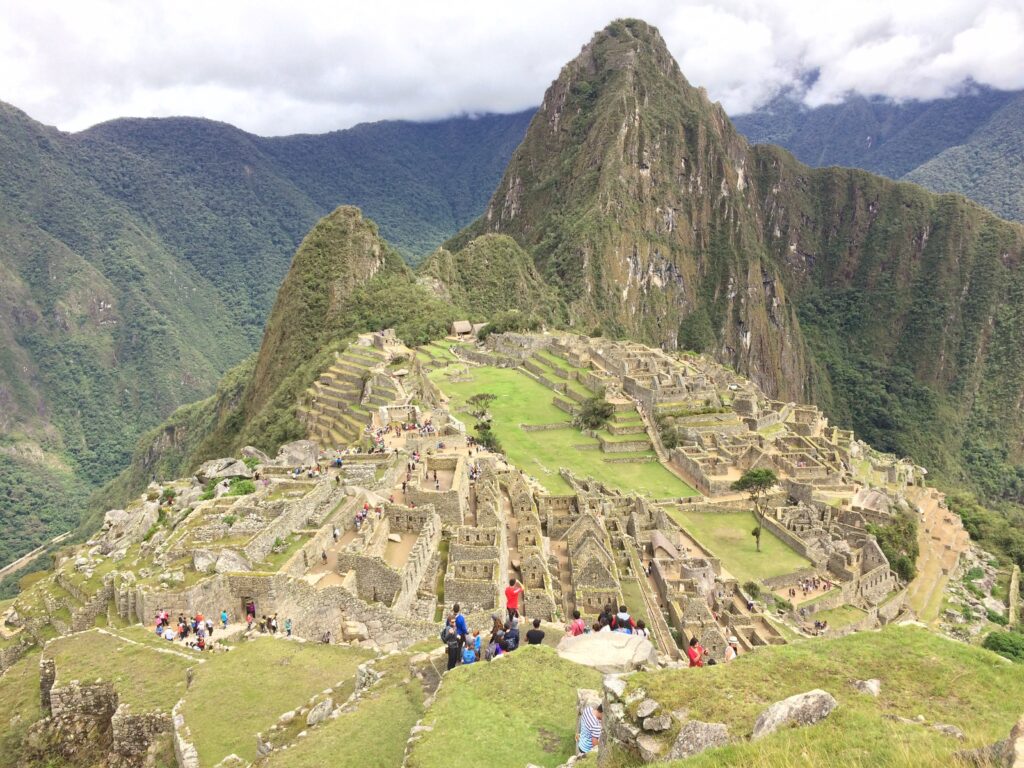
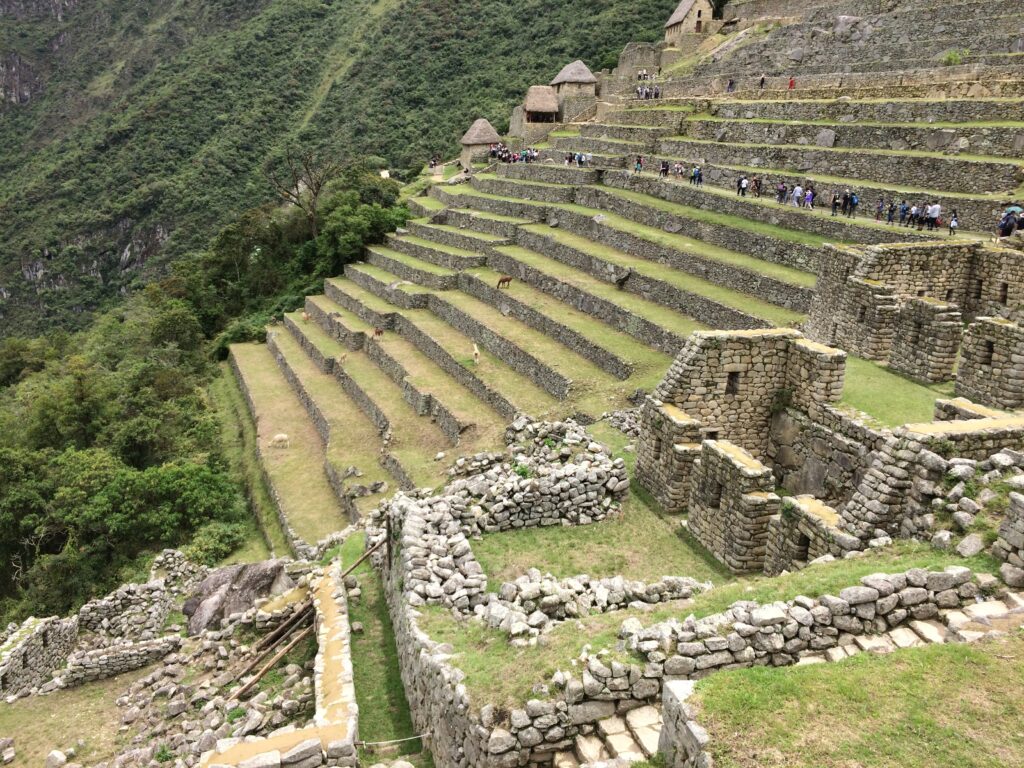
Machu Picchu
Cusco
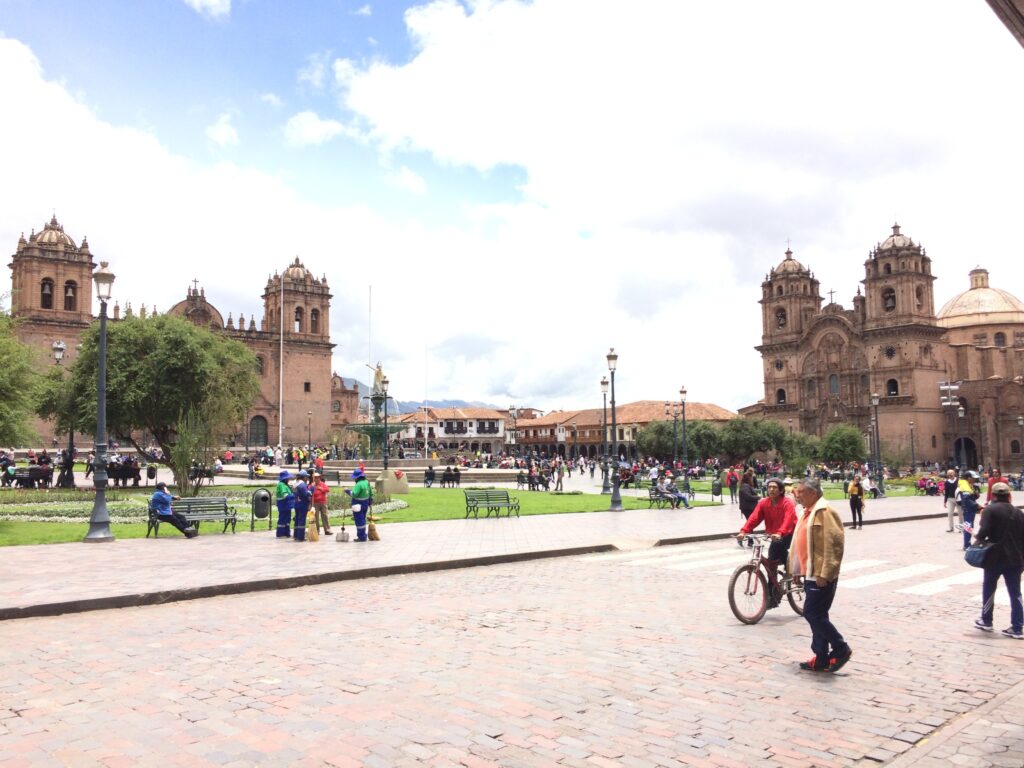
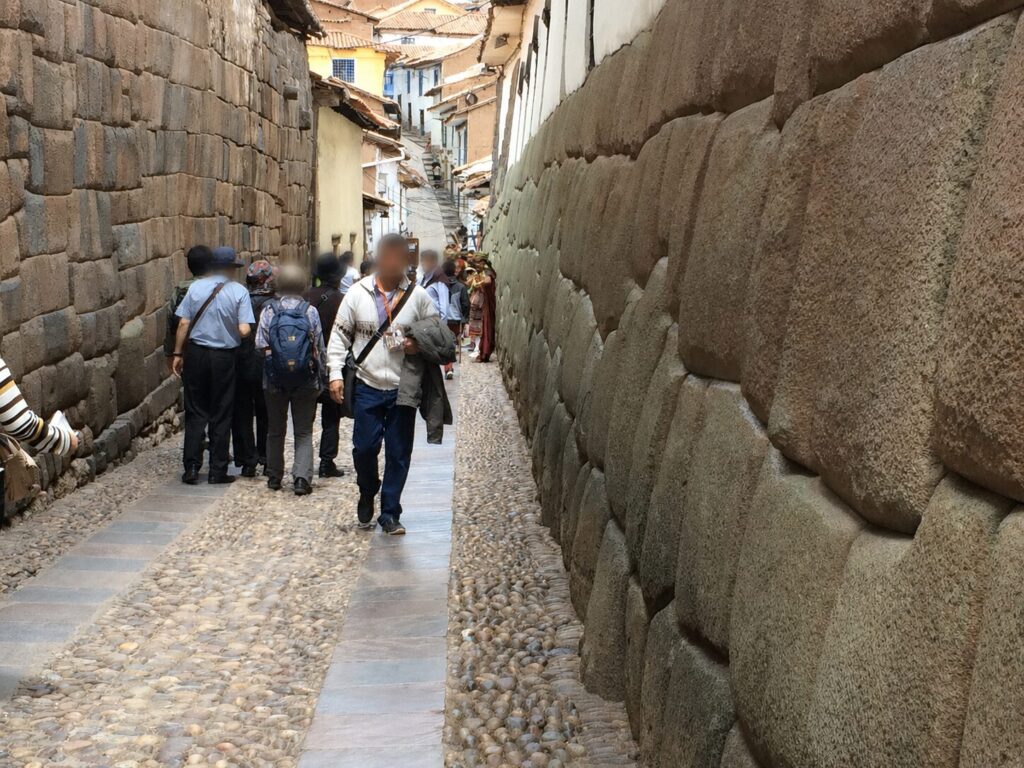
Central Cusco
The cityscape is beautiful, but visitors need to be careful about altitude sickness.
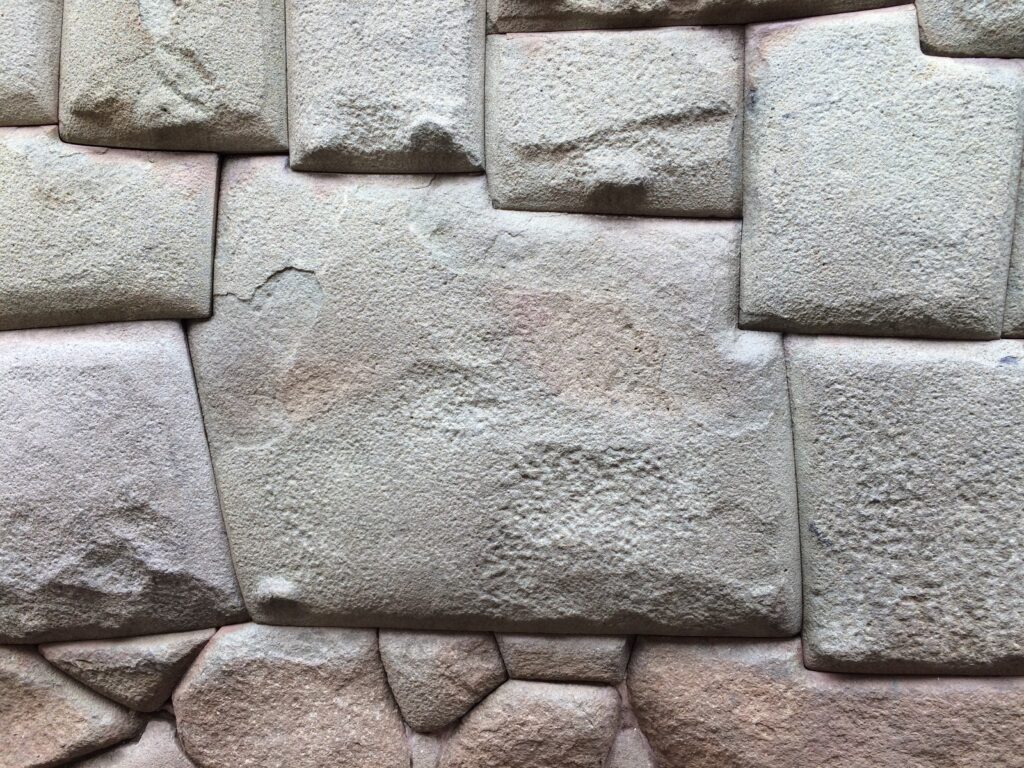
Inca stonework in Cusco’s historic center
Massive stones, cut into complex shapes, are fitted together with extraordinary precision. The surfaces between the stones meet so perfectly that they almost look like sheets of glass placed against one another, demonstrating the remarkable stoneworking skills of the Inca civilization.
Nazca Lines
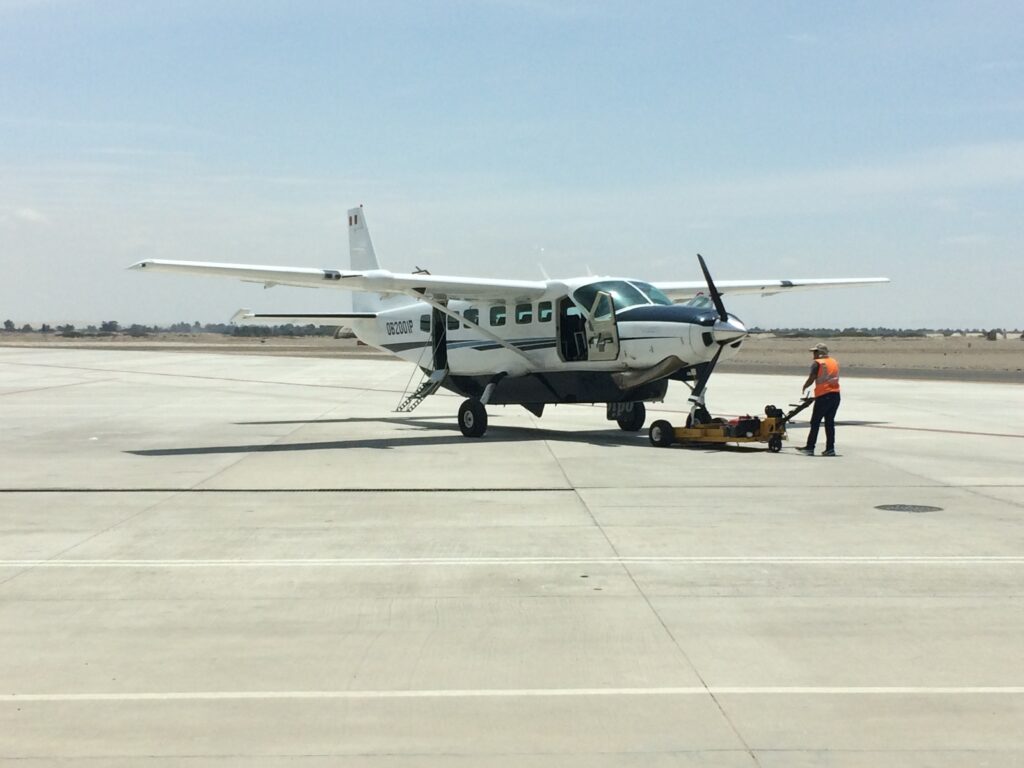
Aircraft used for the sightseeing flight
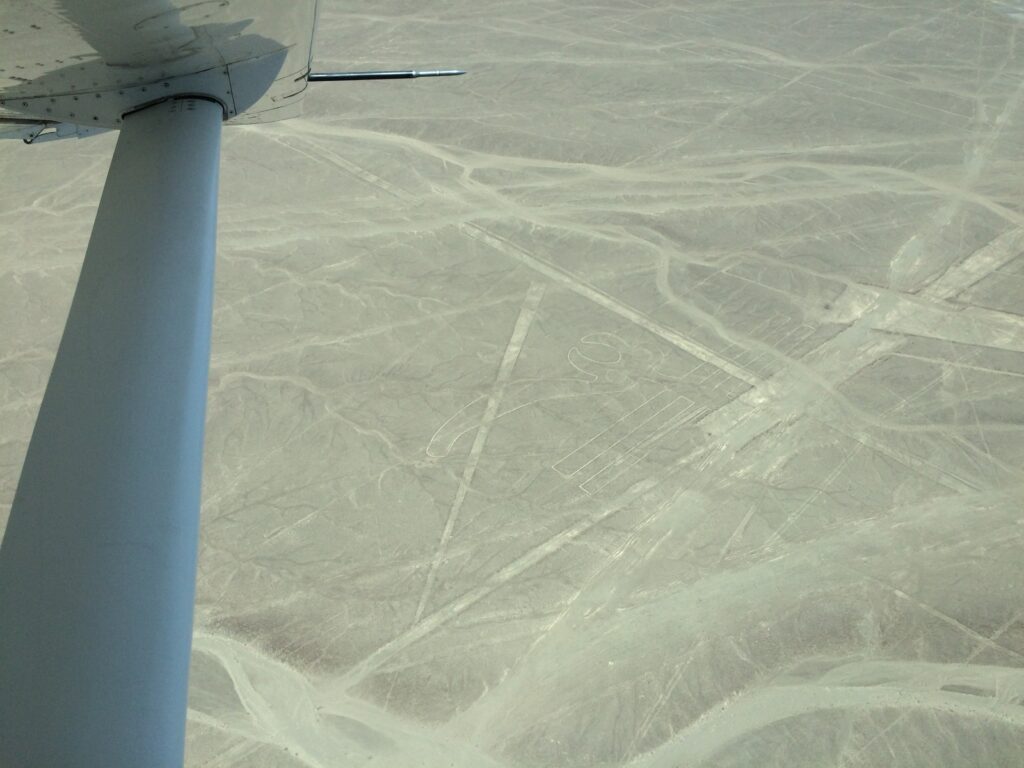
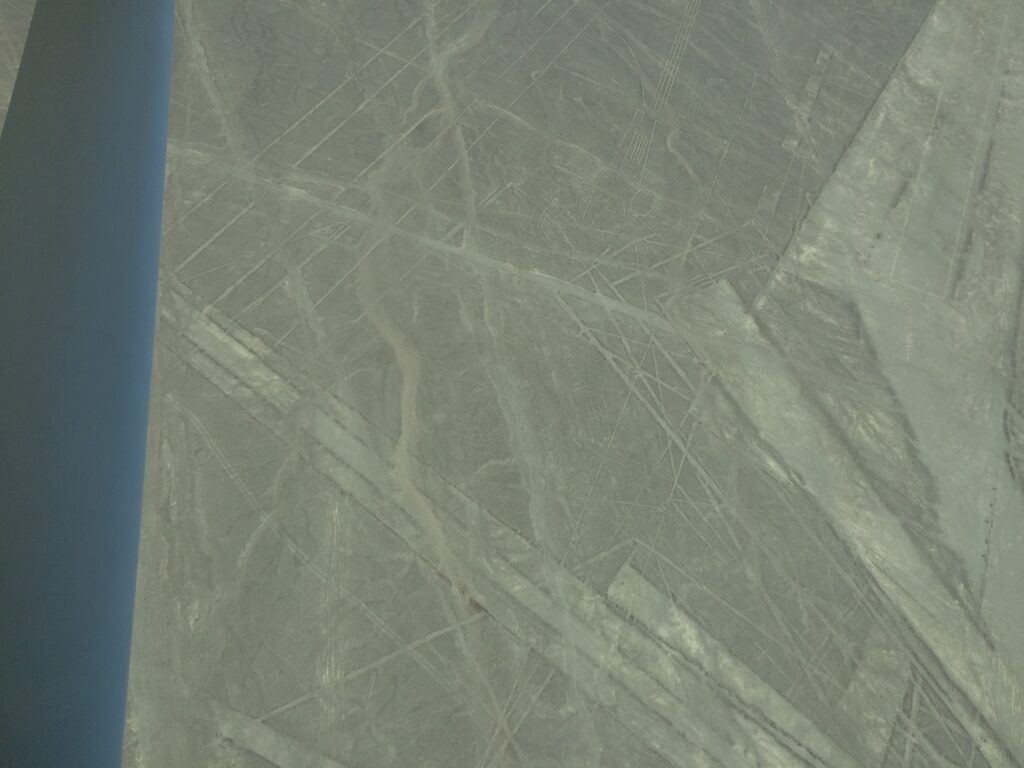
When looking through a camera, it is easy to lose sight of the geoglyphs below, so we were told that the most important thing was to look at them carefully with our own eyes first.
We were advised not to look through the camera, but simply point it toward the geoglyph and press the shutter with the attitude of, “If it turns out well, great.”
Hummingbird (Colibrí)
Slightly below the center of the photo, a bird can be seen with its long beak extending to the left.
Condor
Near the center of the photo, the outline of a bird with its wings spread wide can be seen.
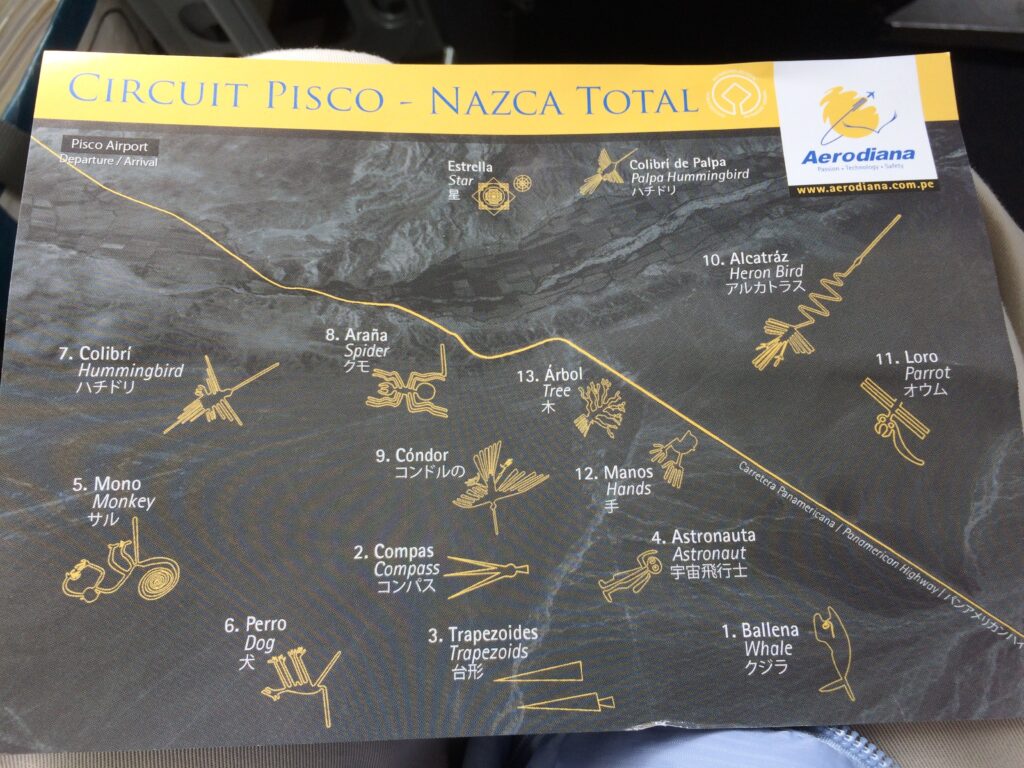
Map showing the distribution of the Nazca Lines
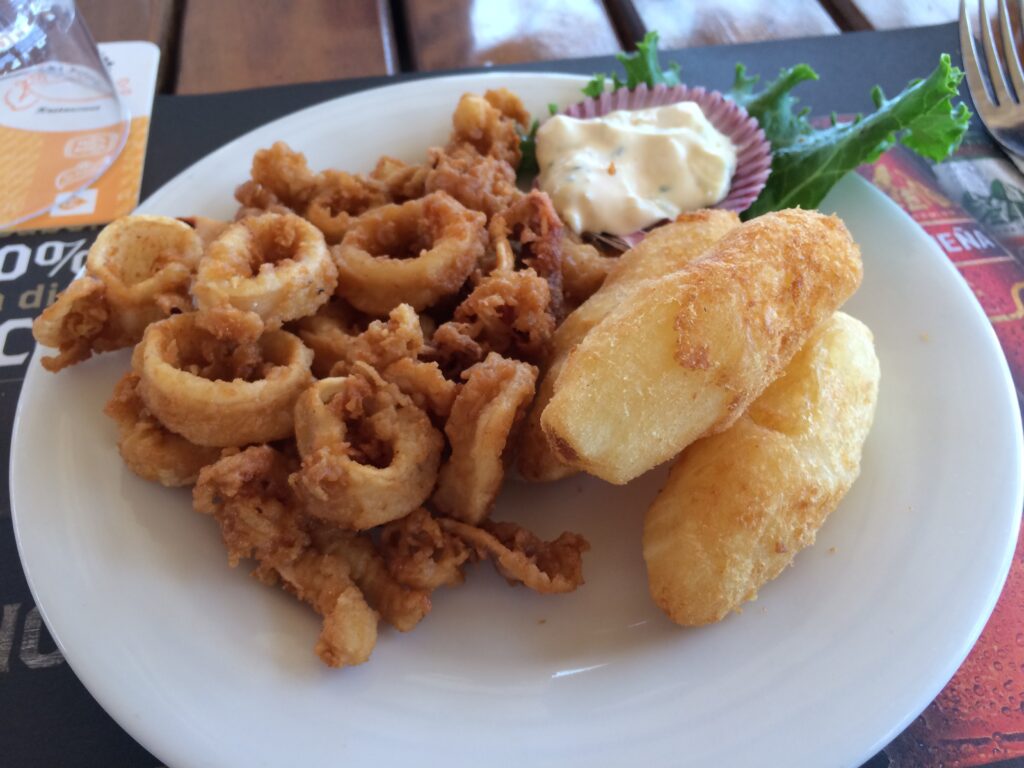
The fried calamari I had on the way back from Nazca to Lima was delicious.
Airline
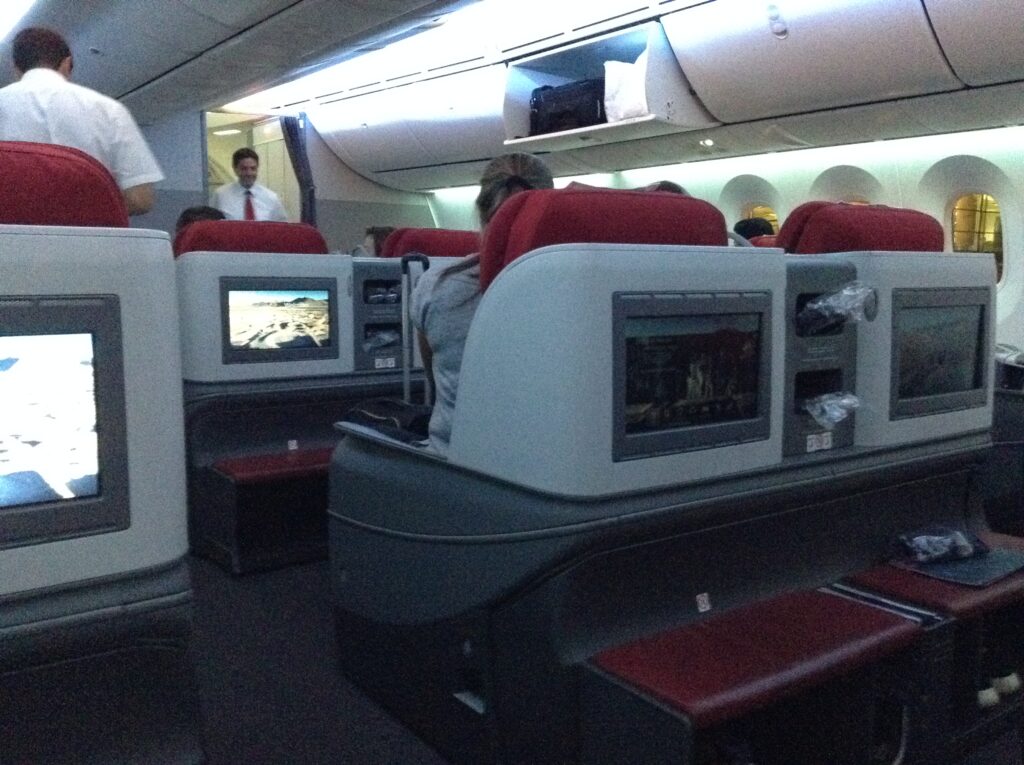
LATAM Airlines (LA): Business Class
(By chance, I was able to buy a business-class ticket for almost the same price as a regular economy-class ticket.)
New York → Lima: approximately 8 hours
Lima → New York: approximately 7.5–8 hours
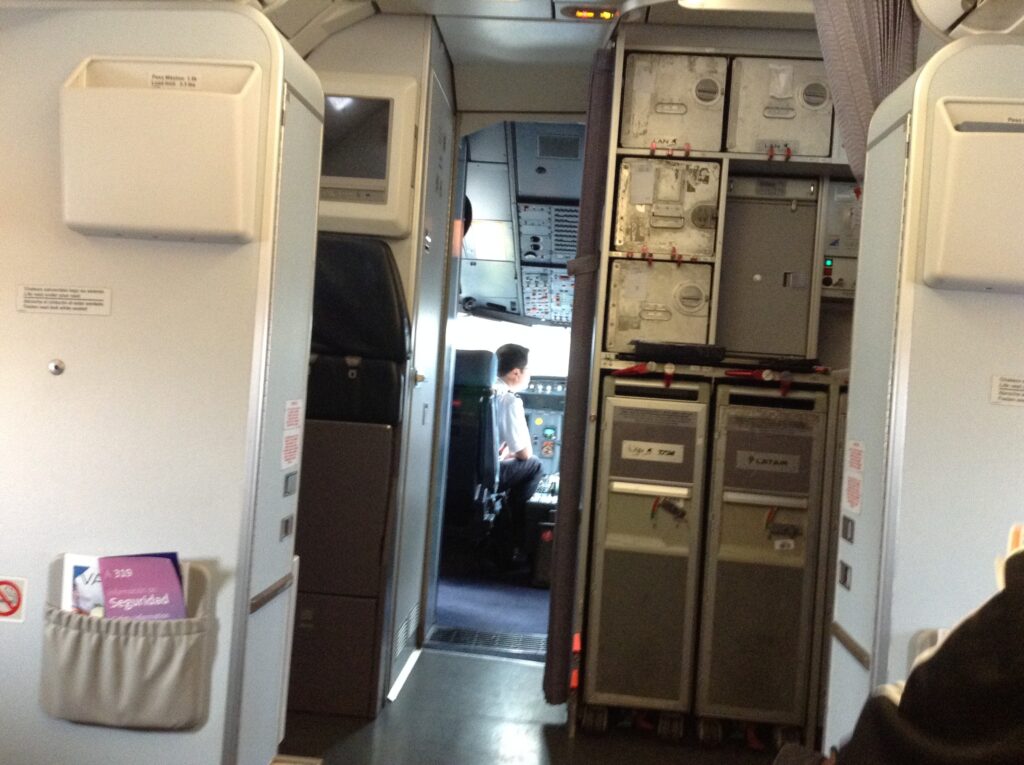
View of the cockpit during boarding
Cabin
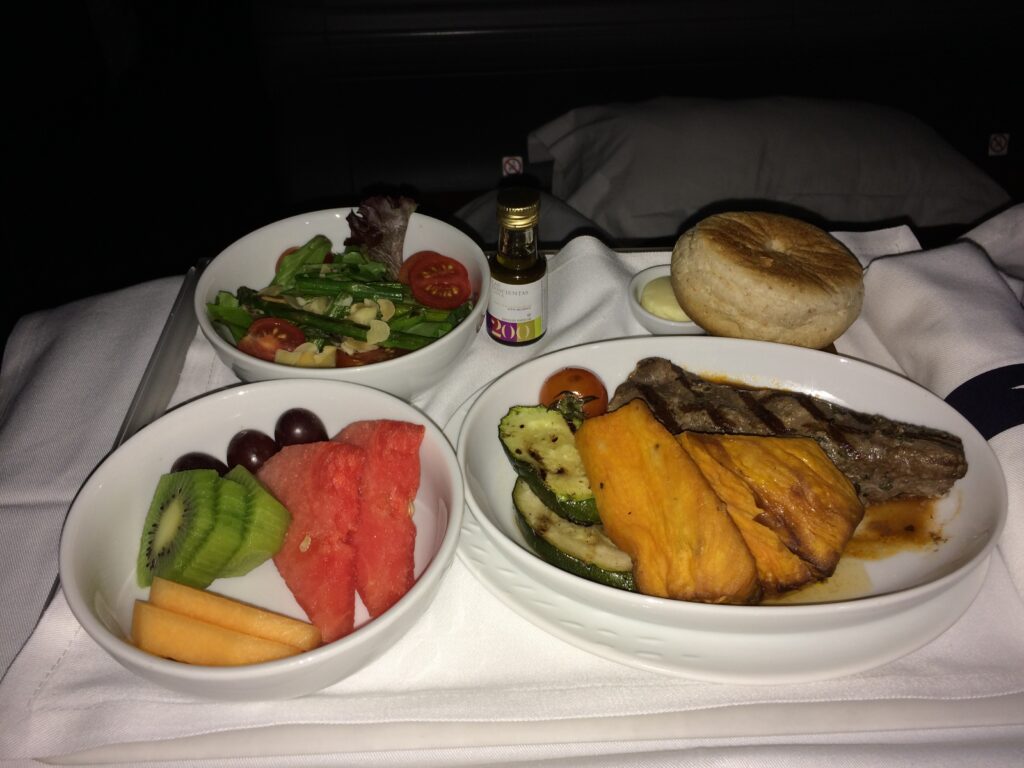
In-flight meal (outbound flight, after takeoff)
The main impression I had of business-class lounges in North and South America was that they were crowded and offered little more than soft drinks.
They reminded me of the airport lounges in Japan that can be accessed with certain Gold credit cards.
If you go in expecting the kind of lounge typically associated with international business-class travel, you may be disappointed. I later found that the quality and facilities vary considerably depending on the airline and airport.
I went through security once and proceeded to the boarding gate, but there was another security check at the gate. Be aware that liquids purchased after the initial security screening may still be confiscated during the additional screening at the gate.